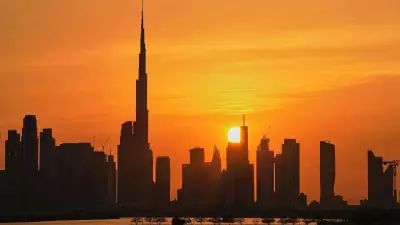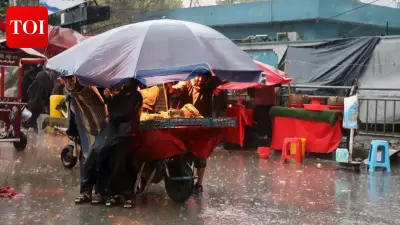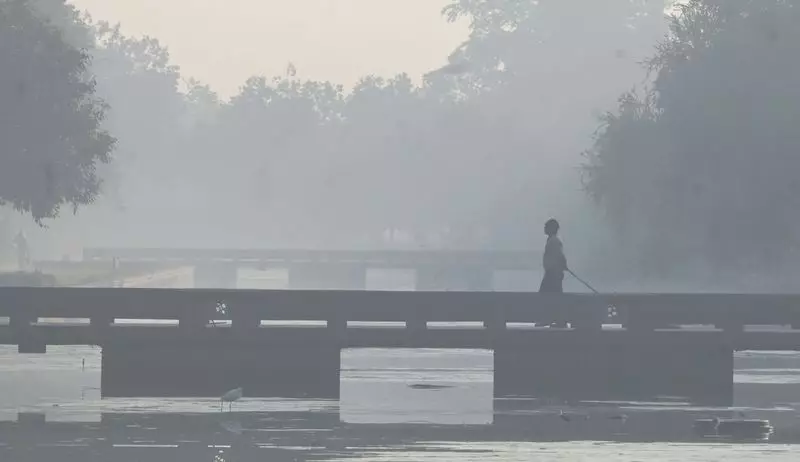
The capitals of India and Pakistan, Delhi and Lahore, are currently locked in a grim competition neither city wants to win. Both megacities are gasping for breath under a thick, toxic blanket of smog, turning their skies a murky grey and pushing air quality indices into the 'hazardous' or 'severe' categories that pose serious risks to public health.
A Dual Crisis Unfolds
In Delhi, the situation reached a critical point with the 24-hour average Air Quality Index (AQI) recorded at a staggering 450 on Saturday, according to the Central Pollution Control Board (CPCB). This placed the city firmly in the 'severe' zone. The concentration of PM2.5, the most dangerous microscopic pollutant, was nearly 80 times the safe limit recommended by the World Health Organization (WHO).
Across the border, Lahore mirrored this despair. The city's AQI soared to 380, also categorised as 'hazardous'. Visuals from both cities showed a familiar, alarming scene: monuments shrouded in haze, citizens navigating streets with masks or scarves over their faces, and a palpable sense of a public health emergency.

The Blame Game and Root Causes
As the smog settled, so did the political rhetoric. In Pakistan, the newly appointed Chief Minister of Punjab, Mohsin Naqvi, pointed a finger directly at India. He claimed that 75% of Lahore's smog originated from Indian Punjab, citing satellite images. This accusation was swiftly rejected by Indian officials, turning the air pollution crisis into a cross-border diplomatic issue.
Environmental experts, however, stress that the problem is largely homegrown for both nations. The primary culprits are consistent and multifaceted:
- Stubble Burning: The post-harvest practice of burning crop residue in the agricultural belts of Punjab (both Indian and Pakistani) is a major seasonal contributor, releasing vast amounts of smoke and particulate matter.
- Vehicular Emissions: Massive fleets of private and commercial vehicles, many running on diesel, continuously pump pollutants into the atmosphere.
- Industrial Pollution: Unchecked emissions from factories and industries add to the toxic mix.
- Construction and Dust: Rampant construction activity and road dust are perennial sources of coarse particles.
- Meteorological Conditions: Cooler temperatures and slow winds during this season trap pollutants close to the ground, preventing dispersion.
Public Health Fallout and Urgent Warnings
The human cost of this toxic air is immense and immediate. Doctors in both cities have reported a sharp surge in patients complaining of respiratory distress, aggravated asthma, bronchitis, and eye irritation. The vulnerable groups—children, the elderly, and those with pre-existing conditions—are at extreme risk.
Health authorities have issued stern advisories, urging people to:
- Avoid outdoor activities, especially morning and evening walks.
- Wear N95 or equivalent masks when stepping outside.
- Keep doors and windows closed to prevent polluted air from entering homes.
- Stay hydrated and seek medical help if breathing difficulties arise.
The crisis has also disrupted daily life. In Delhi, the Graded Response Action Plan (GRAP) stage III measures were invoked, leading to a ban on non-essential construction work and the possible restriction of certain vehicles. Schools have been advised to suspend outdoor activities to protect children.
The tale of these two capitals underscores a harsh reality: environmental pollution respects no political boundaries. While the blame game continues, the citizens of Delhi and Lahore share the same suffocating air and face identical health threats. The situation demands urgent, concerted action and regional cooperation to tackle the common sources of pollution, moving beyond rhetoric to implement sustainable, long-term solutions for cleaner air.