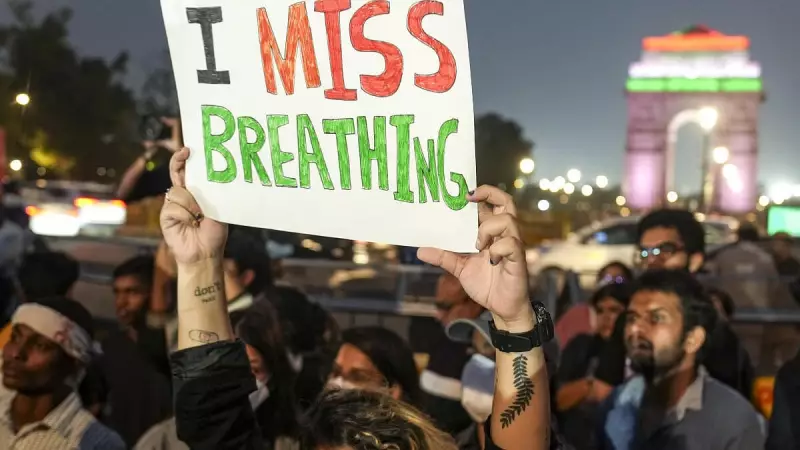
As winter tightens its grip on the national capital, the toxic haze enveloping Delhi shows no signs of lifting. For the millions who call this city home, the air quality this season remains dangerously poor, posing a severe health risk. Despite the recurring crisis, there is a palpable absence of decisive action from the highest levels of government.
A Choking Reality with a Cautious Response
The stark reality for Delhi's residents is that the air they breathe this winter is bad enough to cause illness. The situation, often termed an 'airpocalypse', continues to disrupt lives and endanger public health. However, the approach from the administration, led by Prime Minister Narendra Modi, has been characterized as overly cautious and studied. Observers note a significant lack of the urgent, sweeping measures needed to combat the emergency.
This perceived hesitation comes at a time when citizens are desperately seeking relief. The pollution cocktail of vehicle emissions, industrial discharge, construction dust, and seasonal agricultural burning from neighboring states creates a lethal blanket over the city. The analysis, highlighted in a Bloomberg Opinion piece dated 02 December 2025, underscores this critical gap between the scale of the problem and the government's measured response.

The Human Cost of Inaction
The consequences of prolonged exposure to such hazardous air are dire and well-documented. Hospitals report a surge in respiratory ailments, including asthma, bronchitis, and chronic obstructive pulmonary disease (COPD). Children and the elderly are particularly vulnerable. The economic cost, in terms of healthcare expenses and lost productivity, runs into billions of rupees annually.
Yet, the political and administrative machinery appears to be moving at a pace that fails to match the emergency. Policy announcements often seem reactive rather than part of a robust, long-term strategic plan to ensure clean air. This has led to growing frustration among citizens, environmental experts, and health professionals who witness the crisis unfold year after year.
Looking Beyond Temporary Fixes
While the government has implemented measures like the Graded Response Action Plan (GRAP), critics argue these are temporary fixes that address symptoms, not the root causes. The need of the hour is a coordinated, year-round effort involving multiple states and central ministries. This includes accelerating the transition to clean energy, revolutionizing public transport, enforcing stringent industrial norms, and providing sustainable alternatives to farmers for crop residue management.
The fundamental question raised is why a problem of this magnitude, affecting the health of India's capital, does not command a more aggressive and urgent response from the top leadership under PM Modi. The cautious approach, as noted by commentators, suggests a complex interplay of political, economic, and federal challenges that are stalling decisive action.
As Delhi continues to gasp for breath, the demand for clear accountability and a transparent, time-bound action plan grows louder. The winter of 2025 serves as another grim reminder that without a sense of true urgency and political will, the 'airpocalypse' will remain an annual, and increasingly severe, fixture of life in the capital.