

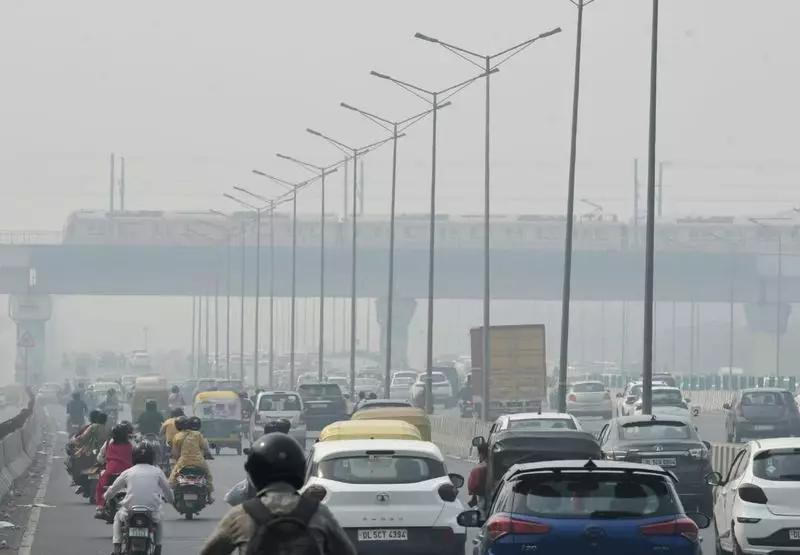
In a drastic move to tackle the capital's hazardous air quality, a ban on the entry of private vehicles registered outside Delhi has come into effect. The restriction, which applies to vehicles running on petrol, diesel, and compressed natural gas (CNG) that do not meet the stringent BS-VI emission norms, is a key part of the Graded Response Action Plan (GRAP) Stage-IV measures.
What the New Ban Entails
The Commission for Air Quality Management (CAQM) mandated this prohibition for non-Delhi registered private vehicles starting November 27. The rule is active as long as the Stage-IV measures of GRAP remain enforced. The primary target is older, more polluting vehicles that contribute significantly to the toxic smog enveloping the National Capital Region (NCR).
However, the ban is not absolute. Several categories of vehicles are exempt from this restriction. These include:

- Electric vehicles and those running on cleaner fuels like ethanol and liquefied petroleum gas (LPG).
- Vehicles engaged in essential services, including those involved in municipal services, medical emergencies, and sanitation.
- Goods vehicles and trucks, which are covered under separate regulations.
Enforcement and Public Response
Traffic police have been deployed at key entry points to enforce the ban. Authorities are conducting checks and turning away non-compliant vehicles. The public response has been mixed, with many commuters who rely on personal vehicles for inter-city travel facing significant inconvenience.
Simultaneously, the Delhi government has extended other pollution-control measures. The odd-even road rationing scheme for private four-wheelers, which was initially implemented from November 13 to 20, has been reinstated. It will now run from November 27 to December 3. Furthermore, all primary schools in the city will remain closed until December 3 to protect young children from the harmful effects of severe air pollution.
The Bigger Picture: GRAP Stage-IV in Action
This vehicle ban is one component of a broader set of Stage-IV actions activated under GRAP. Other measures include a ban on the entry of diesel medium and heavy goods vehicles into Delhi, except those carrying essential commodities. Construction and demolition activities have also been halted across the NCR, with exemptions for critical projects.
The CAQM's decision stems from the persistently 'severe' air quality index (AQI) levels recorded in Delhi. The body has stated that these stringent steps are necessary to prevent a further deterioration of the public health crisis caused by the toxic air. The focus remains on reducing vehicular emissions, which are a major contributor to particulate matter (PM2.5 and PM10) pollution in the region.
While the immediate goal is to bring down pollution levels, the long-term effectiveness of such emergency bans is often debated. Environmental experts stress that sustained, year-round policies promoting public transport, cleaner fuels, and industrial emission control are crucial for lasting improvement in Delhi's air quality.






