

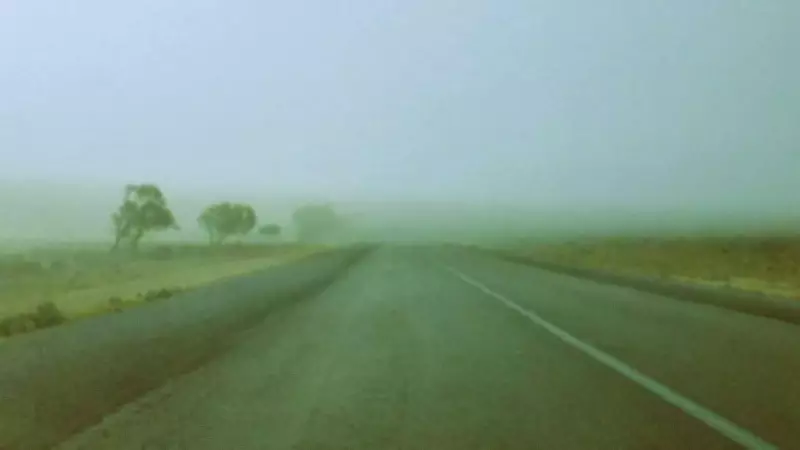
Delhi Wakes Up to Unseasonal Cold and Fog as Western Disturbance Hits
On March 21, Delhi residents were greeted by an unusually cold, foggy, and rain-drenched morning, marking a rare late-winter spell in what is typically the onset of summer. An active western disturbance moving across northwest India brought this unexpected chill, with temperatures hovering around 16 degrees Celsius—significantly lower than the seasonal average for this time of year.
A thick layer of mist and low cloud cover reduced visibility in several parts of the city, while overnight rainfall and gusty winds compounded the wintry feel. This weather pattern has created conditions more reminiscent of late winter than the beginning of the summer season, catching many off guard.
Nationwide Weather Dynamics: IMD Reports Widespread Activity
According to the latest bulletin from the Indian Meteorological Department (IMD), India is currently under the influence of a dynamic and widespread weather system. This is driven by an active western disturbance and multiple cyclonic circulation systems, leading to varied and intense conditions across the country, including rain, thunderstorms, and fluctuating temperatures.

Regional Breakdown: From Northwest to South India
Northwest India: Cooler Days and Improved Air Quality
Northwest India, encompassing Delhi, Punjab, Haryana, and Uttar Pradesh, has been significantly impacted by the western disturbance. The region has experienced fairly widespread light to moderate rainfall, accompanied by thunderstorms, lightning, and gusty winds reaching 30-40 kmph.
This has resulted in cooler daytime temperatures, with maximums dropping by 2-3 degrees Celsius, making March feel unusually cool. Cloud formation has been prevalent, and areas like Delhi have seen improved air quality as a positive side effect. In the Western Himalayan region, including Himachal Pradesh and Uttarakhand, heavy rain, snow, and hailstorms have been reported.
East and Central India: Intensifying Stormy Conditions
The eastern and central parts of India are facing more volatile weather. States such as West Bengal, Jharkhand, Odisha, Bihar, Madhya Pradesh, and Chhattisgarh are witnessing widespread rainfall with thunderstorms and strong winds of 50-60 kmph, which may intensify during thundersqualls.
The IMD has issued warnings for hailstorm activity in these states, posing potential risks to crops and infrastructure. Additionally, the sub-Himalayan regions of West Bengal and Sikkim are expected to receive heavy to very heavy rainfall, particularly on March 21.
Northeast India: Persistent Rain and Severe Weather Threats
Northeastern states, including Assam, Meghalaya, Arunachal Pradesh, and other hill states, are bracing for continuous rain and thunderstorms in the coming days. Some areas in Assam and Meghalaya may experience heavy rainfall, with gusty winds up to 50 kmph and isolated hailstorms adding to the severe conditions.
Unstable weather is forecasted to persist across the northeast for the next five days, keeping residents on alert for further disruptions.
South India: Thunderstorms Amid Rising Humidity
Southern peninsular India is also experiencing scattered weather activities. Regions like Andhra Pradesh, Telangana, Karnataka, Tamil Nadu, and Kerala can expect light to moderate rain along with thunderstorms and gusty winds.
Concurrently, hot and humid conditions are set to develop over Kerala, coastal Karnataka, and the Konkan and Goa areas, creating a sharp contrast to the ongoing rainfall and indicating a shift towards warmer weather.
West India: Isolated Showers and Gradual Warming
In western India, including Maharashtra, isolated rain and thunderstorm activity with occasional hailstorms are anticipated. Temperatures are gradually rising by 2-4 degrees Celsius, signaling the beginning of a warmer phase as the region transitions towards summer.
Overall Outlook: Transition from Winter to Summer
India is currently in a transitional phase from late winter to early summer, characterized by active weather systems. While the rain and thunderstorms provide much-needed relief from rising temperatures, the IMD predicts that temperatures will climb again in most parts of the country soon.

With multiple systems at play—including western disturbances in the north and cyclonic circulations in central and southern India—the coming days are expected to remain active with continued rain, thunderstorms, and increasing warmth.





