

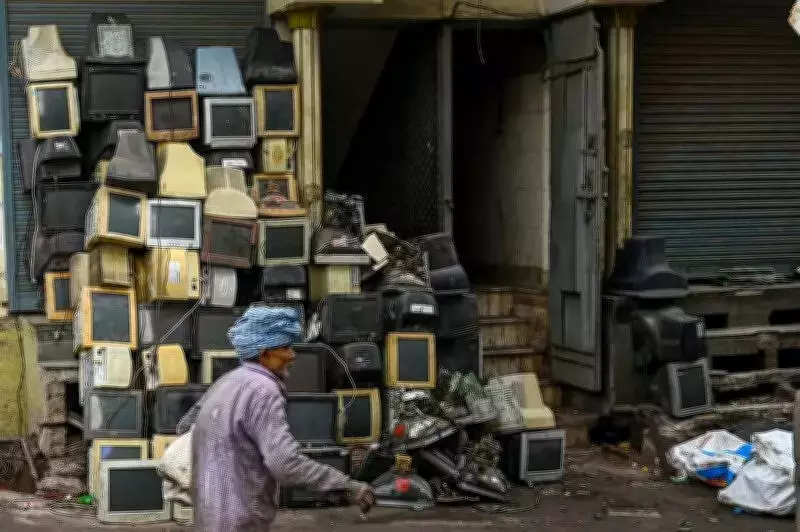
Delhi's Electronics Repair Crisis Fuels E-Waste Surge, Study Reveals
A comprehensive new study by environmental NGO Toxics Link has uncovered alarming trends in Delhi's electronics consumption patterns. The research reveals that high repair costs, limited access to original spare parts, and persistent service barriers are driving consumers away from repairing their electronic devices, thereby accelerating the city's growing e-waste crisis.
Systemic Challenges in Repair Accessibility
The report, titled 'Stitch in Time: Evaluating Consumer Behaviour & Electronics Repair Accessibility', highlights how Delhi, along with Hyderabad, is witnessing a strong shift toward device replacement across all income groups. This trend reflects a fast-paced consumption pattern and a weakening repair culture that threatens environmental sustainability.
Despite Delhi being one of India's largest electronics markets and a major e-waste generator, with thriving repair hubs like Karol Bagh and Mohan Singh Market, systemic challenges are making repairs increasingly less viable for both consumers and technicians.

Consumer Behavior Shifts Toward Replacement
The study documents that consumers increasingly opt to purchase new devices due to multiple factors:
- High repair costs that often approach or exceed replacement prices
- Lack of original components from manufacturers
- Low trust in unauthorized service providers who cannot guarantee quality
Most independent repair shops rely on cheaper, non-original components sourced from informal markets due to restricted access to manufacturer-approved parts. This practice not only affects repair quality but also erodes consumer confidence, frequently leading customers to choose replacements instead of repairs.
Structural Issues in Repair Ecosystem
The report identifies several structural problems plaguing Delhi's repair sector:
- Shortage of skilled technicians with proper training
- Lack of standardized pricing creating market uncertainty
- Inadequate access to advanced diagnostic tools for modern devices
In Delhi-NCR, most technicians learn their trade through informal apprenticeships with minimal exposure to modern technologies or sustainable repair practices. Combined with low profit margins and inconsistent demand, these factors have rendered the repair business economically unviable for many operators.
Income-Based Replacement Patterns
The study demonstrates that replacement rates increase sharply with income, particularly for IT and telecom devices where frequent upgrades and perceived non-repairability drive purchasing decisions. Even among middle-income groups, high repair costs and service delays push consumers toward buying new products rather than repairing existing ones.
Notably, the absence of warranty on repaired items further discourages users from choosing repair options, according to the research findings.
Environmental Implications and Policy Recommendations
These findings emerge amid growing concern over increasing electronic waste, which poses significant risks to both public health and the environment. The report underscores that ecological awareness plays a minimal role in consumer decisions in Delhi, with device price and performance remaining dominant factors even among higher-income groups.
Swati Vishan, senior programme officer at Toxics Link, emphasizes that strengthening the repair sector could significantly reduce waste and emissions while supporting livelihoods. The report recommends several policy interventions:
- Implementing a comprehensive 'right to repair' framework
- Ensuring access to genuine spare parts for independent repair shops
- Introducing certification systems to build consumer trust in repair services
Satish Sinha, associate director at Toxics Link, states: "Strengthening India's repair culture through policy support is essential for transitioning to a circular economy in the electronics sector."

The study serves as a crucial wake-up call for policymakers, manufacturers, and consumers alike, highlighting the urgent need to revitalize Delhi's repair ecosystem to combat the escalating e-waste crisis.





