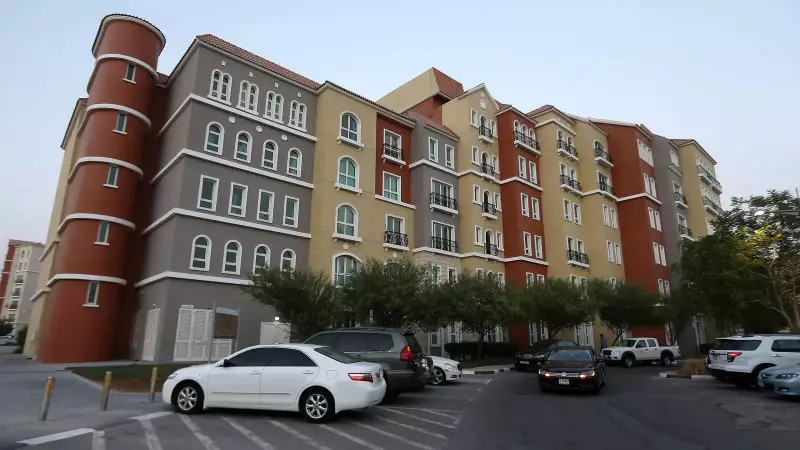
Dubai's Discovery Gardens Implements New Paid Parking System
Discovery Gardens community in Dubai has rolled out a regulated paid parking system. This move directly addresses the increasing number of vehicles and aims to reduce local congestion. The change officially takes effect on January 15, 2026. On-street parking now requires payment, with licence zone signs visible throughout the neighborhood.
Permit Application Through Official Channels
Residents must now apply for parking permits using the official Parkonic system. This replaces previous informal arrangements. Each residential unit in buildings without dedicated parking spaces receives one free permit for a single vehicle. Any additional cars require a paid subscription.
The typical cost stands at Dh945 per month or Dh2,625 for a quarterly payment. Authorities designed this fee structure to ensure fair usage of street spaces. The system prioritizes legitimate residents and aims to open up parking availability.

Warning Against Unofficial Parking Deals
Parkonic has issued an official warning to residents. This response comes after posts appeared on community social media pages. Some tenants offered private parking spaces for rent through platforms like Facebook. These unofficial deals involve monthly fees for outdoor parking spaces.
The company emphasized that valid parking permits only come through its official app or authorized channels. Payments and registrations made outside recognized platforms receive no support. Vehicles using informal arrangements may face regular visitor parking charges. They could also be considered unauthorized, potentially leading to fines or penalties.
This advisory seeks to protect residents from possible scams and confusion. It also ensures all parking entitlements remain traceable and enforceable under Dubai community rules.
Mixed Reactions to New Parking Rules
The new parking regulations have sparked varied responses among tenants. Some residents argue that fees for second vehicles appear too high. Families with more than one car feel particularly burdened. They call for reductions to Dh500-Dh600 or other concessions to ease financial pressure.
Specific concerns emerged from residents of the Zen Cluster, known as the Pink Buildings. This section of Discovery Gardens features apartments where only certain units have basement parking. A recent circular clarified that on-street parking excludes complimentary permit eligibility if a residential unit already accesses basement parking.
This means many studio tenants now face visitor tariffs instead of receiving free permits. Residents in this cluster say the lack of free street permits unfairly penalizes them. They push for equal treatment with tenants in other parts of the community.
Technical Challenges and Deadline Extension
The transition encountered some hiccups. Parkonic extended the registration deadline to January 19 after numerous residents reported difficulties. Problems included system errors within the Parkonic app and inability to activate permits even after receiving PINs.
To address these issues, Parkonic pledged that residents will not face fines while technical problems persist. Support teams actively work to resolve account and activation challenges. This temporary extension has helped more tenants complete the permit process without penalty.
Broader Implications for Dubai Communities
The introduction of paid and regulated parking in Discovery Gardens represents a broader trend in Dubai. Authorities aim to standardize parking across communities and reduce misuse by non-residents. The system also targets long-term street storage of vehicles.
Overall objectives include freeing up parking spaces, reducing traffic problems, and prioritizing residents. The implementation highlights the need for clear communication and flexibility as lived realities catch up with policy. As the system continues, resident feedback will likely shape future adjustments. Key areas for potential changes include fee levels, eligibility criteria, and enforcement practices.