

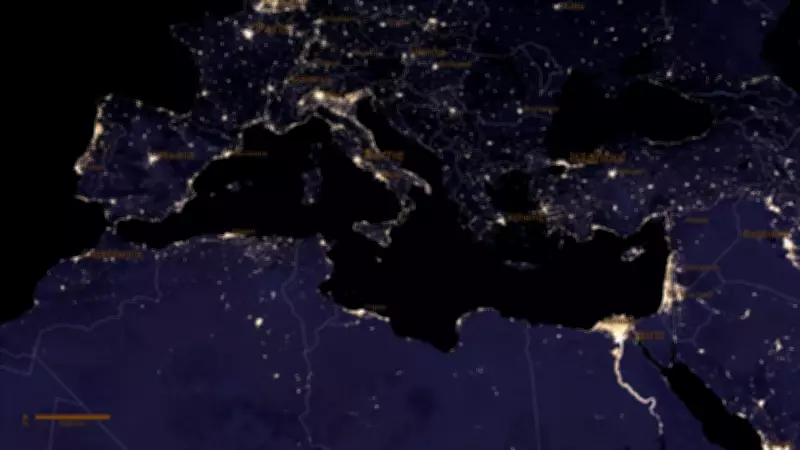
Earth's Night Sky Is Becoming Increasingly Bright, Satellite Data Confirms
Step outside on a clear night and look upward. More often than not, you will notice significantly fewer stars than your grandparents would have seen during their youth. This is not merely an illusion or a trick of memory. Comprehensive satellite measurements now provide concrete evidence that our planet is becoming progressively brighter at night, driven by the relentless expansion of artificial lighting across urban and rural landscapes alike.
Satellite Data Reveals a Dynamic and Volatile Brightening Pattern
The latest scientific studies, utilizing advanced satellite technology, have uncovered a compelling and complex trend: Earth's nocturnal brightness is intensifying, but this process is neither linear nor uniform across the globe. For instance, NASA's analysis of night light changes between 2012 and 2023 documented an overall 16% increase in global night-time light levels during that period.
Researchers describe the planet's night-time lighting conditions as "highly volatile," with constant fluctuations as some regions grow brighter while others experience relative darkness. This detailed conclusion was reached by processing millions of satellite photographs through sophisticated NASA-funded algorithms, offering significantly greater precision than earlier investigations into this phenomenon.

Essentially, Earth is not just becoming brighter; it is doing so in a dynamic manner that directly mirrors patterns of human activity, including urbanization, alongside other factors such as temporary blackouts and military operations.
Causes of Global Brightening and Light Pollution
According to experts from institutions like the Leibniz Institute of Freshwater Ecology and Inland Fisheries, the primary driver of this increased brightness is the proliferation of artificial illumination after dark, commonly referred to as light pollution. The regions experiencing the most dramatic rises in night-time luminosity include sub-Saharan Africa and Southeast Asia, where rapid urbanization and expanding electrification are key contributing factors.
Simultaneously, technological advancements in lighting have played a substantial role. While energy-efficient LED lights offer improved efficiency, their greater intensity and broader coverage have paradoxically led to increased overall illumination, further exacerbating light pollution.
Artificial light at night has now become a global disruptor of natural darkness. However, it is important to note that not all areas are following this brightening trend. Certain parts of Europe, for example, have implemented measures to actively reduce artificial illumination and preserve darker skies.
Environmental and Health Impacts of Brighter Nights
The consequences of our increasingly luminous night sky extend far beyond simply obscuring our view of the stars. Scientists have long recognized that light pollution poses serious threats to ecosystem functionality. It adversely affects nocturnal wildlife, disrupts animal migration patterns, and interferes with the natural circadian rhythms of countless species.
Numerous organisms depend on the natural cycles of darkness and light for survival. Birds navigate using celestial light, insects orient themselves with its guidance, and plants regulate their biological activities based on the alternation between day and night. Artificial illumination disrupts these fundamental processes, leading to potentially severe ecological consequences.
The impact on human health, while sometimes less immediately obvious, is equally concerning. Our internal biological clocks require periods of darkness to properly regulate sleep cycles, and excessive night-time brightness has been associated with various health issues, including sleep disorders. Furthermore, there is a significant cultural dimension to this loss: light pollution now prevents many people from experiencing the awe-inspiring sight of the Milky Way, severing a connection to the cosmos that humans have cherished for millennia.

In all its aspects, the brightening of our night sky serves as a clear indicator of humanity's profound influence on the natural world. While development brings undeniable benefits and improvements to quality of life, it also presents us with the critical challenge of finding balance. We must ensure that technological and economic progress does not come at the irreversible cost of losing the natural night altogether.





