For nearly three months, a single young elephant has managed to bring the administrative machinery of three Indian states to a frustrating standstill. What began as a routine alert has spiraled into a prolonged and unresolved wildlife operation, highlighting critical gaps in inter-state coordination and rehabilitation infrastructure.
The Odyssey of a Young Tusker
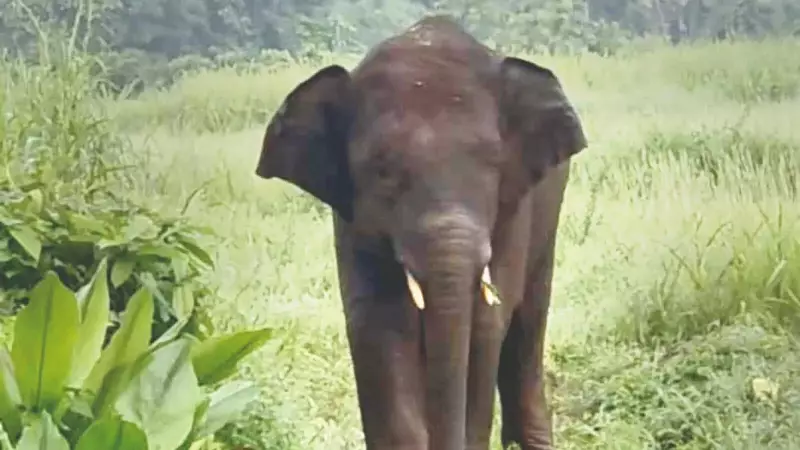
The central figure in this unfolding drama is Omkar, a ten-year-old male elephant. Originally part of a six-member herd in the lush forests of Sindhudurg district in Maharashtra, Omkar's solitary journey began in mid-September 2025. Separating from his group, the young tusker embarked on an unexpected trek, covering hundreds of kilometres to cross the state border into Goa.
His movement immediately set off alarm bells. Forest department teams from both states sprang into action, initiating complex tracking operations. The elephant's path through populated areas triggered emergency meetings among officials and escalating anxiety in the villages along his route. Public safety and the animal's well-being became dual, pressing concerns.

A Multi-State Operation Grounded
Despite being prepared and on high alert for weeks, the forest teams find themselves in a bind. The core issue halting any decisive action is the acute lack of a suitable rehabilitation facility. Capturing or tranquilizing Omkar is only half the solution; without a designated place to safely house and care for him post-capture, the process cannot move forward.
This logistical vacuum has created a bureaucratic and operational stalemate. Officials are ready to act, but the absence of a clear post-rescue plan has left the entire exercise in limbo. The question on everyone's mind—from villagers to wildlife experts—is a simple yet urgent one: How does this end?
The Lingering Crisis and Its Implications
The prolonged situation underscores several systemic challenges in Indian wildlife management:
- Inter-State Coordination: Managing wide-ranging species like elephants requires seamless cooperation between neighboring states, which is often hampered by procedural delays.
- Infrastructure Deficit: The case glaringly exposes the shortage of dedicated rehabilitation centers for large, displaced wildlife.
- Public Safety vs. Conservation: It highlights the delicate balance between ensuring human safety in conflict zones and adhering to ethical wildlife conservation principles.
As days turn into weeks, the stalemate over young Omkar continues. His journey from a herd in Sindhudurg to an unwitting symbol of administrative gridlock serves as a stark reminder. Effective wildlife conservation needs more than just readiness on the ground; it requires robust back-end support and cohesive, forward-thinking policy execution across state lines.