A recent analysis has uncovered that Maharashtra's energy sector is responsible for over half of the state's total carbon emissions. The findings underscore the persistent dependence on fossil fuels in the region, even as significant investments have been made in renewable energy infrastructure.
Key Findings of the Analysis
According to the report, the energy sector contributes approximately 52% of Maharashtra's carbon footprint. This includes emissions from power generation, industrial processes, and transportation. Despite a push towards solar, wind, and other clean energy sources, coal and natural gas remain dominant in the state's energy mix.
Implications for Climate Goals
The analysis raises concerns about Maharashtra's ability to meet its climate targets under the Paris Agreement. The state has set ambitious goals to reduce emissions intensity and increase renewable capacity, but progress has been uneven. Experts argue that more aggressive policies and technological shifts are needed to decarbonize the energy sector.

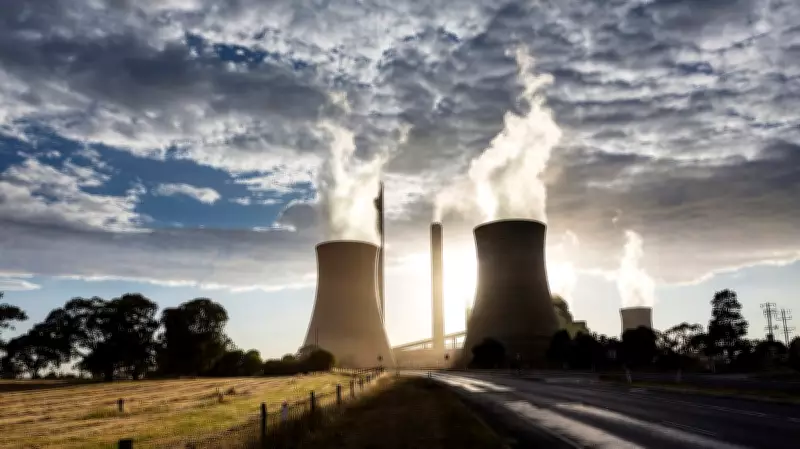
- Power generation: Coal-fired plants account for the largest share of emissions within the energy sector.
- Industrial energy use: High energy consumption in manufacturing and processing industries adds to the burden.
- Transportation: Growing vehicle numbers and reliance on fossil fuels contribute significantly.
Renewable Energy Investments
Maharashtra has invested heavily in renewable energy, including large-scale solar parks and wind farms. However, the analysis indicates that these efforts have not yet offset the growth in overall energy demand. The share of renewables in the state's electricity generation has increased, but fossil fuels still provide the majority of base load power.
Expert Recommendations
Environmental analysts suggest several measures to accelerate the transition:
- Phasing out older coal plants and replacing them with cleaner alternatives.
- Expanding grid infrastructure to integrate more renewable energy.
- Promoting energy efficiency in industries and buildings.
- Encouraging electric vehicle adoption and public transport.
The report concludes that without decisive action, Maharashtra's carbon emissions will continue to rise, jeopardizing both local air quality and global climate commitments.