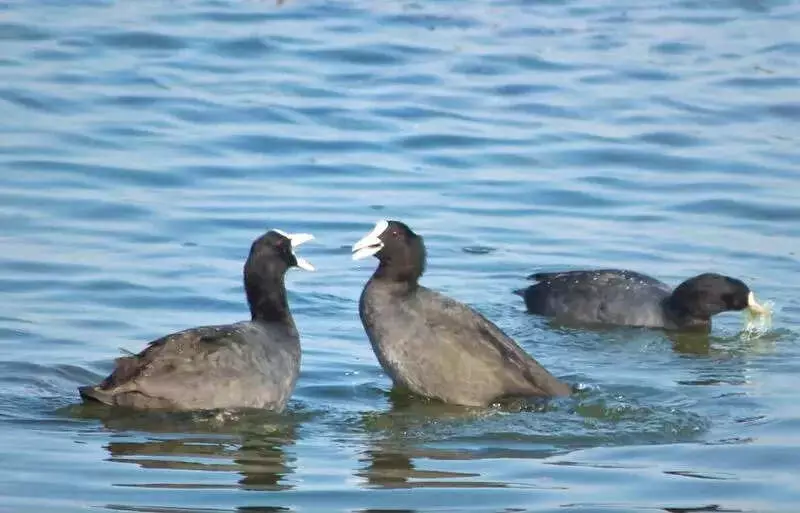
A familiar and spectacular winter sight at Vadodara's renowned Wadhwana Lake is rapidly vanishing. The vast flocks of Eurasian coots, migrant birds that once turned the water's surface into a living, noisy black carpet, are fast disappearing from this internationally recognized Ramsar site.
A Drastic Decline in Numbers
Official bird census data reveals a shocking and consistent downward trend. In the 2020 count, the forest department recorded over 21,000 Eurasian coots in and around the lake. This number, however, plunged by nearly half the following year. The most recent data from 2025 shows just over 7,000 coots were recorded. Ornithologists and experts now fear the next census in January 2026 will show a further decline.
"The decline is deeply worrying as these birds form a crucial part of the wetland's ecology," said Prof Ranjitsinh Devkar, associated with M S University's Zoology Department. He emphasized that for years, the Eurasian coot was the most numerous species during Wadhwana's annual bird counts.

Searching for the Causes
Experts point to several potential factors behind the exodus. Prof. Devkar suggests that high water levels in the lake could be a primary reason. Eurasian coots prefer shallow waters where they can easily feed on submerged aquatic vegetation. Alternatively, the birds may have simply found more suitable foraging grounds elsewhere.
This theory is supported by avid bird-watcher Kartik Upadhyay. He explains that constantly fluctuating water levels disrupt the growth of the aquatic plants that form the coots' main diet. "While these birds can dive deep if needed, it's possible that Wadhwana no longer holds enough underwater vegetation to sustain large populations," Upadhyay stated. He added that a similar scarcity has been observed this year in the Little Rann of Kutch, another former stronghold for the species.
Official Response and Ecological Impact
A forest department official indicated that the coots might have shifted to smaller ponds and water bodies in the vicinity of Wadhwana. The official assured that efforts are being made to maintain a stable water level in the lake during the critical migratory season.
The disappearance of the Eurasian coot is not just a loss of a visual spectacle; it signals a potential imbalance in the wetland's ecosystem. As a species that was once the dominant visitor, its sharp decline raises urgent questions about habitat management and conservation at one of Gujarat's key Ramsar sites. The upcoming January 2026 bird census will be a crucial indicator of whether this trend can be reversed.