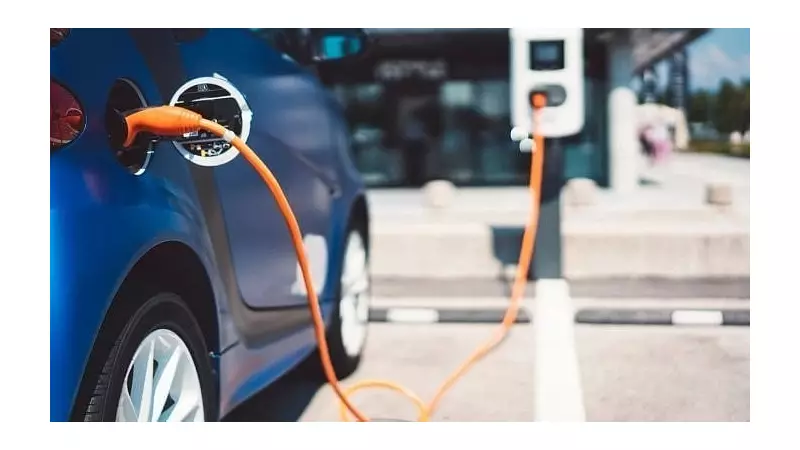
While the reusability of electric vehicle (EV) batteries presents a significant advantage, the carbon emissions generated during their manufacturing process remain a pressing concern. This dual perspective was highlighted by noted author and environmental commentator Nagesh Hegde during a recent address in Bengaluru.
The Double-Edged Sword of Electric Mobility
Hegde acknowledged the positive aspect of EV battery reusability, which extends the lifecycle of the critical components and reduces electronic waste. However, he swiftly shifted focus to the environmental cost of producing these batteries and the vehicles themselves. His comments, made on 07 December 2025, urged for a more holistic view of the electric transition beyond just tailpipe emissions.
Heavy Investments and Heavier Footprints
Addressing the massive global investments flowing into the electric vehicle sector, Hegde provided a striking analogy to contextualize the scale of renewable energy needed for a truly green shift. He pointed out that if all the solar panels produced worldwide were stacked together, they would reach the moon. This vivid imagery underscores the monumental effort required to generate clean energy sufficient to power the burgeoning EV ecosystem sustainably.

The core of his argument centred on the carbon emissions embedded in the supply chain. Mining for lithium, cobalt, and other rare earth minerals, processing them, and manufacturing batteries are energy-intensive processes that often rely on fossil fuels, particularly in regions where the grid is not green.
Beyond the Obvious: A Call for Comprehensive Assessment
Hegde's intervention serves as a crucial reminder that the sustainability of electric vehicles cannot be measured solely by their zero exhaust emissions during operation. A comprehensive lifecycle analysis—from raw material extraction and production to usage and eventual recycling—is essential.
The key takeaways from his address include:
- EV batteries offer a second-life potential, which is a major plus for resource efficiency.
- The current manufacturing paradigm for EVs and their batteries still carries a substantial carbon emission burden.
- The scale of renewable energy infrastructure required to genuinely decarbonize the transport sector is colossal, as illustrated by the solar panel analogy.
This perspective is particularly relevant for a country like India, which is aggressively pushing for electric vehicle adoption as part of its climate and energy security goals. It highlights the need for parallel investments in greening the manufacturing grid and developing robust, circular economy models for battery disposal and reuse.