

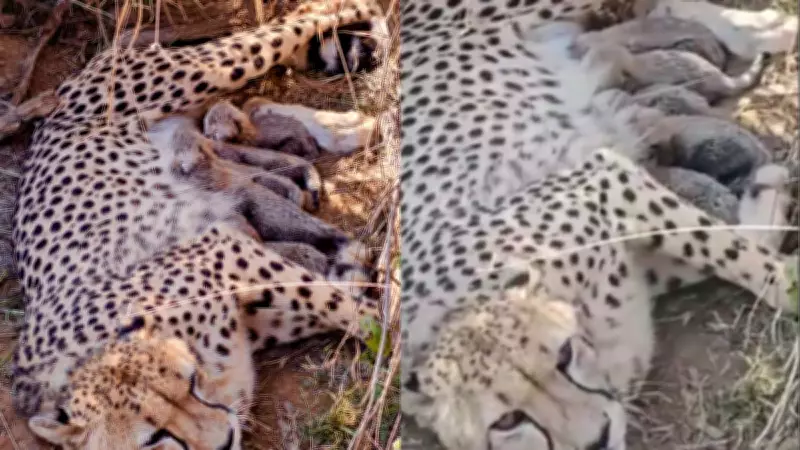
Five Cheetah Cubs Born at Kuno National Park, Boosting India's Cheetah Population to 53
In a significant milestone for wildlife conservation in India, five cheetah cubs have been born at Kuno National Park in Madhya Pradesh. This joyous development has been officially announced by Environment Minister Bhupender Yadav, marking a crucial step forward in the ambitious cheetah reintroduction project. The birth of these cubs elevates the total cheetah count in India to an impressive 53 individuals, showcasing the success of ongoing conservation efforts.
Environment Minister Bhupender Yadav Announces the News
Environment Minister Bhupender Yadav took to social media to share the exciting news, highlighting the importance of this event for India's biodiversity. He emphasized that the birth of the cheetah cubs is a testament to the dedicated work of forest officials, wildlife experts, and conservationists involved in the project. The minister's announcement has been met with widespread celebration among environmentalists and the public alike, as it signals positive progress in restoring cheetahs to their historical habitat in India.
Details of the Cheetah Cubs' Birth at Kuno National Park
The five cheetah cubs were born to one of the female cheetahs that were translocated from Namibia and South Africa as part of the cheetah reintroduction initiative. Kuno National Park, located in Madhya Pradesh, has been carefully prepared to provide a suitable and secure environment for these majestic big cats. The park's management has implemented rigorous monitoring and protection measures to ensure the safety and well-being of both the adult cheetahs and their new offspring.

This birth is particularly significant because it represents the first instance of cheetah cubs being born in India since the species was declared extinct in the country over seven decades ago. The successful reproduction indicates that the translocated cheetahs are adapting well to their new surroundings and are thriving under the conservation program.
Impact on India's Cheetah Conservation Efforts
The increase in cheetah population to 53 individuals is a major achievement for India's wildlife conservation landscape. It underscores the effectiveness of the cheetah reintroduction project, which aims to reestablish a viable cheetah population in the country. The project not only focuses on increasing numbers but also on ensuring genetic diversity and long-term sustainability.
Conservationists are optimistic that this development will pave the way for more births in the future, further bolstering the cheetah population. The success at Kuno National Park serves as a model for other wildlife reintroduction programs and highlights the importance of international collaboration in conservation efforts.
Future Prospects and Continued Monitoring
Moving forward, forest authorities and wildlife experts will continue to closely monitor the cheetah cubs and their mother to ensure their health and safety. Special care will be taken to protect them from potential threats, such as predators or human disturbances. The ongoing monitoring will also provide valuable data on cheetah behavior, reproduction, and adaptation in Indian conditions.
The birth of these five cubs is a hopeful sign for the future of cheetahs in India, reinforcing the country's commitment to biodiversity conservation and ecological restoration. As the cheetah population grows, it is expected to have positive ripple effects on the entire ecosystem of Kuno National Park and beyond.






