

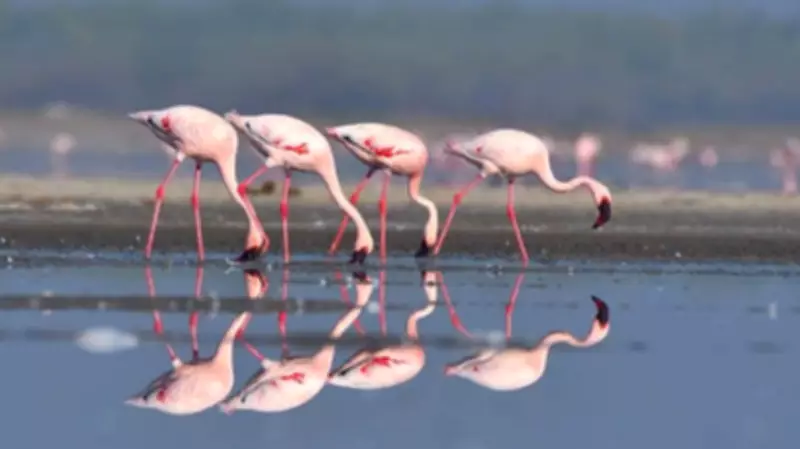
Flamingos Avoid Major Navi Mumbai Lakes Amid Rising Toxicity Concerns
In a concerning environmental development, flamingos have largely skipped major lakes in Navi Mumbai during their annual migratory season this year. This shift is attributed to a significant rise in toxicity levels in these water bodies, posing serious threats to the region's biodiversity and ecosystem health.
Decline in Flamingo Presence at Key Habitats
Traditionally, flamingos flock to several lakes in Navi Mumbai, such as those in the Thane Creek Flamingo Sanctuary and surrounding wetlands, as part of their migratory patterns. However, recent observations indicate a stark reduction in their numbers at these sites. Environmentalists and birdwatchers report that the birds are opting for alternative, less polluted areas, highlighting the deteriorating conditions in these once-pristine habitats.
Causes of Rising Toxicity in Lakes
The increasing toxicity in Navi Mumbai's lakes is driven by multiple factors, including industrial discharge, untreated sewage, and agricultural runoff. These pollutants introduce harmful chemicals and heavy metals into the water, degrading water quality and making it unsuitable for flamingos and other wildlife. The accumulation of toxins not only affects the birds directly but also disrupts the food chain, as flamingos primarily feed on algae and small organisms that thrive in clean water.

- Industrial effluents from nearby manufacturing units
- Domestic sewage without proper treatment facilities
- Agricultural chemicals like pesticides and fertilizers
- Plastic waste and other non-biodegradable materials
Environmental and Ecological Implications
The absence of flamingos from these lakes signals broader environmental issues that could have long-term consequences. Flamingos serve as indicator species, meaning their presence or absence reflects the health of an ecosystem. Their avoidance of Navi Mumbai lakes suggests severe habitat degradation, which could lead to loss of biodiversity, reduced water quality for human use, and negative impacts on local fisheries and tourism.
Experts warn that if left unaddressed, this toxicity could spread to other water bodies, exacerbating environmental challenges in the region.
Response from Authorities and Conservation Efforts
Local environmental agencies and conservation groups have raised alarms over this trend, calling for immediate action to mitigate pollution. Proposed measures include stricter enforcement of industrial waste disposal regulations, upgrading sewage treatment infrastructure, and promoting sustainable agricultural practices to reduce runoff.
- Implementing regular water quality monitoring programs
- Restoring wetlands and creating buffer zones around lakes
- Engaging communities in cleanup drives and awareness campaigns
- Developing long-term conservation plans for flamingo habitats
While some initiatives are underway, such as the Thane Creek Flamingo Sanctuary management, more comprehensive efforts are needed to reverse the damage and ensure these lakes become safe havens for flamingos once again.
Future Outlook and Recommendations
To safeguard Navi Mumbai's lakes and attract flamingos back, a multi-pronged approach is essential. This involves collaboration between government bodies, industries, and local residents to reduce pollution sources. Additionally, investing in ecological restoration projects can help rehabilitate degraded habitats, supporting not only flamingos but the entire ecosystem.
Public awareness and participation are crucial in driving change, as community-led conservation efforts can complement official actions. By addressing toxicity issues promptly, Navi Mumbai can preserve its natural heritage and maintain its status as a key stopover for migratory birds like flamingos.






