

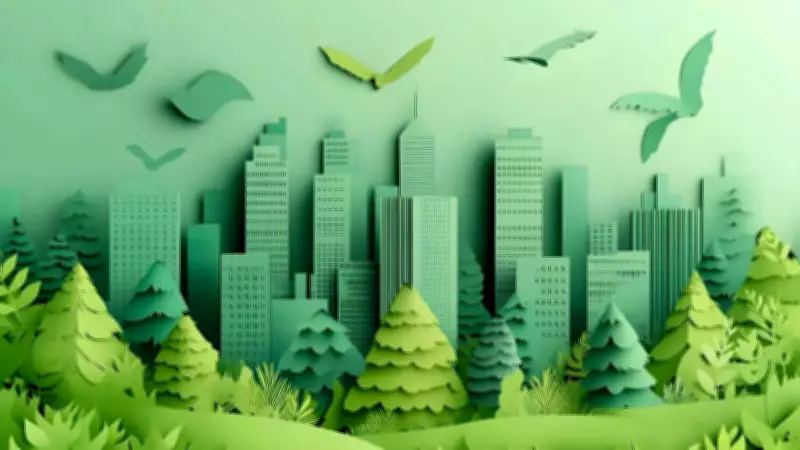
Tokyo: There was a time when cities breathed in grey—steel lungs, tired rivers, trees remembered only in stories told by those who still listened. And yet—beneath the asphalt, beneath the metrics and the markets, something ancient waited. A pulse. Not loud. Not trending. But persistent. Carried by a quiet kind of hero.
The Unseen Architects of Change
They are not always seen. They do not arrive with headlines, but with questions. They sit at the edge of systems that no longer serve life and ask—What if we begin again? They are founders who choose purpose over speed. Scientists who refuse to look away. Investors who measure return in generations. Builders who plant forests where others saw margins.
Bridge-Makers Between Worlds
They are bridge-makers—between nature and machine, between capital and care, between what is… and what could be. They walk through the world like gardeners in a broken garden—not mourning what is lost, but tending what is still possible. And slowly, almost invisibly at first, the shift begins.

From Extraction to Co-Creation
From extraction to regeneration. From isolation to ecosystems. From competition to co-creation. Cities soften. Glass towers learn to breathe again. Rivers remember their curves. Food grows closer to home. Energy flows like sunlight should. And people—people begin to belong again.
Orchestrated by Many, Not One
This is not an accident. It is orchestrated. Not by one voice—but by many, woven into something larger. A living network. A constellation of intent. This is where alliances emerge. Where ecosystems take form—not as structures, but as relationships. Trust becoming infrastructure. Collaboration becoming currency.
GRIA: A Catalyst, Not a Center
And somewhere in this unfolding, GRIA finds its place. Not as the center—but as a catalyst. A thread that connects the scattered brilliance of those who refused to give up. A bridge where ideas meet capital, where cities meet innovators, where courage meets scale. GRIA is not the hero. The heroes are already here. It is the space where they recognize each other.
The Future Becomes Tangible
And when they do—something extraordinary happens. The future stops being abstract. It becomes tangible. Projects rise. Landscapes heal. Systems shift. Not someday. Now. And one day, perhaps sooner than we think, someone will walk through a city where nature and life are no longer in conflict—and they will not call it regenerative. They will simply call it home.
By: Christian Schmitz






