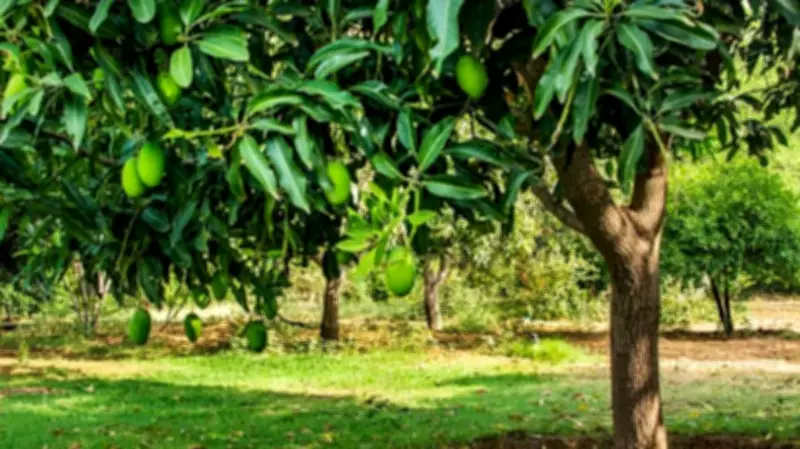
India, a country deeply rooted in agricultural cycles, has long celebrated the arrival of the mango season as a harbinger of summer. However, recent shifts in climate patterns have introduced a new phenomenon: the 'frog season.' This term, coined by farmers and ecologists, refers to the extended rainy periods that disrupt traditional sowing and harvesting schedules, leading to an increase in frog populations due to stagnant water.
Changing Monsoon Patterns
The Indian monsoon, once predictable, has become erratic. Unseasonal rains and prolonged wet spells have replaced the dry heat that typically precedes the mango harvest. These changes are not just meteorological but have profound implications for agriculture. Mango trees, which require a dry period for flowering, are now blooming irregularly, resulting in reduced yields. Meanwhile, the excess moisture creates ideal breeding grounds for frogs, whose choruses now dominate rural soundscapes.
Impact on Farmers
For farmers, the shift from mango to frog season is more than a poetic change. It signals economic distress. The mango crop, a significant source of income for many, is failing. In contrast, frogs, though beneficial for pest control, are not a cash crop. Farmers report increased costs due to pest management and reduced profits. Some have turned to alternative crops like paddy, which thrive in wet conditions, but this requires new knowledge and investment.

Ecological and Cultural Ramifications
The ecological balance is also affected. Frogs play a crucial role in controlling insects, but their population boom can lead to imbalances. Culturally, the mango season is celebrated in festivals, cuisine, and literature. Its decline is erasing a part of India's heritage. Communities that once awaited the sweet aroma of mangoes now hear the persistent croaking of frogs as a reminder of climate change.
Adaptation and Resilience
Despite the challenges, there are efforts to adapt. Scientists are developing drought-resistant mango varieties, and farmers are adopting water management techniques. Government schemes offer support for climate-resilient agriculture. However, the pace of change is slow. The 'frog season' is a stark warning that climate change is not a distant threat but a present reality reshaping lives.
As India navigates this transition, the story of mangoes and frogs serves as a microcosm of global climate impacts. It underscores the need for urgent action to mitigate climate change and support communities in adapting to their new normal.