

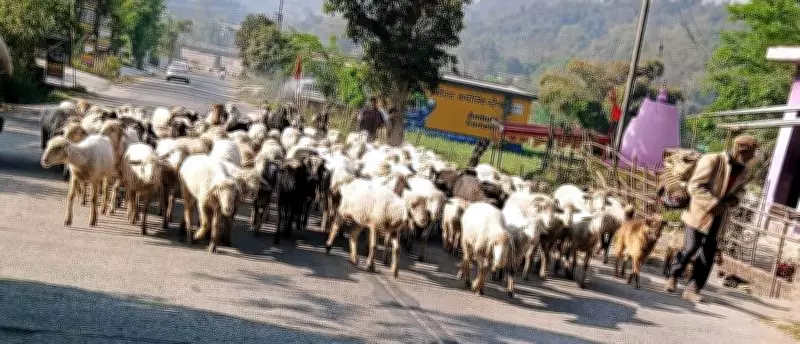
Gaddi Shepherds Forced into Early Migration as Temperatures Soar in Himachal Pradesh
In a significant departure from tradition, Gaddi shepherds in Himachal Pradesh have preponed their annual migration to the higher reaches of Chamba district by approximately one month this year. This early movement, triggered by a combination of rising mercury levels and a prolonged winter dry spell, underscores the growing impact of climatic shifts on pastoral communities in the region.
Traditional Patterns Disrupted by Unseasonal Warmth
Historically, the nomadic Gaddi community has embarked on their seasonal journey from the lower hills of Kangra district to the high-altitude pastures of Chamba during the second week of April, coinciding with the onset of summer. However, an unusually warm spell that began in late February has compelled shepherds to advance their schedule. The abrupt spike in daytime temperatures, rather than a gradual seasonal transition, has signaled an early summer, forcing these herders to leave the lower hills ahead of their customary timeline.
Challenges Along the Arduous Journey
The migration involves traversing hundreds of kilometres on foot with large flocks of sheep and goats. To ensure livestock safety and avoid heavy traffic, shepherds typically navigate highways during night hours, though they are occasionally spotted on roads in the early morning. As winter approaches, they descend from high-altitude grazing areas, moving through districts such as Una, Kangra, Bilaspur, Hamirpur, and Sirmaur in search of warmer pastures.

Shepherds like Chain Singh, Bakil Singh, and Tilak Raj, who initiated their early migration from Nurpur and Indora subdivisions of Kangra towards Chamba, highlight the increasing difficulties faced each year. "Shrinking grazing pastures, climate change, and unpredictable weather patterns are seriously affecting our traditional profession," they report. Beyond climatic hurdles, the community grapples with additional issues during their long journeys, including:
- Outbreaks of foot-and-mouth disease among livestock
- Incidents of theft targeting their flocks
- Bureaucratic obstacles in obtaining forest grazing permits
Economic and Generational Pressures Threaten Tradition
Despite these hardships, Gaddi shepherds persist in following their age-old tradition, aided by loyal Gaddi dogs that protect the flocks from predators and theft. However, community members express concern that without adequate policy support and reforms, this centuries-old pastoral lifestyle may gradually vanish. The younger generation is increasingly hesitant to continue the family occupation, citing economic unsustainability.
Former shepherds Uttam Singh and Bidhi Chand, who abandoned the profession two years ago, point to several economic factors:
- Inadequate marketing infrastructure for wool and other products
- Low prices for wool in the market
- Rising input costs for maintaining livestock
- Poor financial returns from the occupation
"Successive governments, including the present one, have failed to take effective steps to make this traditional pastoral profession viable," they lament, emphasizing the need for intervention to preserve this cultural heritage.
The early migration of Gaddi shepherds serves as a poignant reminder of how environmental changes are reshaping traditional livelihoods in Himachal Pradesh, calling for urgent attention to support these nomadic communities in adapting to a rapidly evolving climate.






