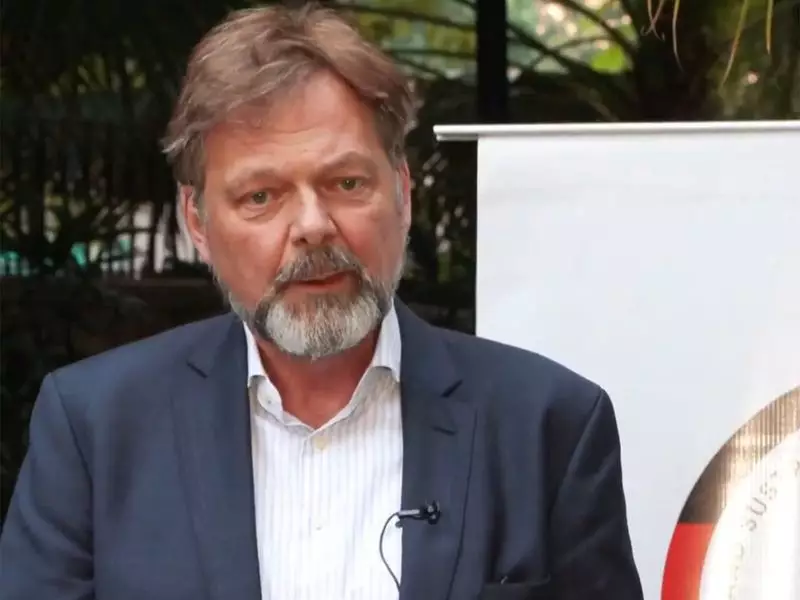
Recent preparatory negotiations for the upcoming COP30 climate summit have generated encouraging and positive results, according to Germany's top diplomat in India. Ambassador Philipp Ackermann expressed optimism about the progress made in discussions leading up to the critical global conference.
Diplomatic Optimism on Climate Progress
In a significant assessment of the pre-COP30 dialogue, German Ambassador to India, Philipp Ackermann, stated that the negotiations have so far produced good results. This positive outlook comes as nations intensify their diplomatic efforts to shape the agenda for the pivotal climate summit, scheduled to be held in Belem, Brazil, in November 2025.
Ackermann's comments underscore a sense of forward momentum in the complex multilateral process, even as significant challenges remain on the table. The ambassador highlighted the collaborative spirit observed in the talks, which are crucial for setting ambitious targets and actionable frameworks to combat global warming.

The Crucial Role of India and Germany
The German envoy placed special emphasis on the roles of both India and Germany in the global climate landscape. He pointed out that India's leadership is absolutely critical in the transition to renewable energy and in mobilizing climate action among developing nations. Simultaneously, he affirmed Germany's steadfast commitment to supporting ambitious climate goals and fostering international cooperation.
This bilateral perspective is key, as Germany and India are major economies with significant influence in their respective blocs—the European Union and the Global South. Their alignment on climate issues can act as a powerful catalyst for broader consensus. Ackermann's remarks suggest that constructive dialogue between such partners is already paying dividends in the negotiation rooms.
Road to COP30 in Belem
The COP30 conference in Belem represents a major milestone, as it is the deadline for countries to submit new, more ambitious nationally determined contributions (NDCs). These NDCs are the core of the Paris Agreement, outlining each country's plan to reduce emissions and adapt to climate impacts.
The "good results" mentioned by Ambassador Ackermann likely refer to progress on foundational issues that will determine the success of COP30. These include:
- Framework for the new climate finance goals to succeed the $100 billion annual target.
- Mechanisms for accelerating the phase-down of fossil fuels.
- Enhanced support for adaptation and loss and damage in vulnerable countries.
- Rules for cooperative implementation, including carbon markets.
The ambassador's positive tone indicates that negotiations, though tough, are moving in a productive direction. It reflects a diplomatic effort to build trust and find common ground ahead of the high-stakes summit in the Amazon next year.
Implications for Global Climate Action
The optimistic assessment from a key European diplomat stationed in a major emerging economy like India sends a strong signal. It suggests that behind-the-scenes diplomacy is working to bridge the traditional divides between developed and developing nations.
For global climate action, this progress is essential. COP30 needs to result in a clear and enhanced roadmap for the world to keep the goal of limiting warming to 1.5 degrees Celsius within reach. The constructive negotiations so far, as highlighted by Ackermann, provide a foundation of hope. However, they also set high expectations for tangible outcomes in Belem, where the world will be watching for real commitments, not just diplomatic progress.
Ultimately, the success of COP30 will depend on translating this early positive momentum into concrete agreements that accelerate emission cuts, mobilize trillions in green finance, and ensure a just transition for all nations.