Gill Kalan, a village in Bathinda district of Punjab, has set an exemplary model for rural water management through its community-driven initiatives. The village has successfully implemented rainwater harvesting and water conservation techniques, ensuring sustainable water availability for its residents.
Community-led Initiatives
The transformation began when the villagers, with support from local authorities and NGOs, identified the critical need for water conservation. They constructed check dams, recharge wells, and ponds to capture and store rainwater. These structures have significantly improved groundwater levels in the area.
Rainwater Harvesting Structures
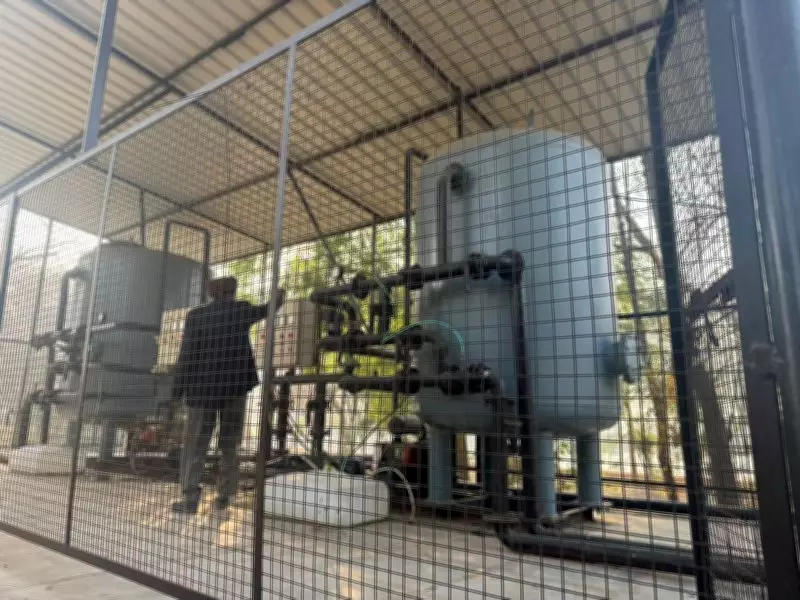
Several rainwater harvesting structures have been built across the village. Rooftop rainwater harvesting systems have been installed in schools, community centers, and individual households. The collected water is used for domestic purposes and irrigation, reducing dependence on groundwater.

Impact on Agriculture
The water conservation efforts have had a positive impact on agriculture. Farmers now have access to water for irrigation even during dry spells. Crop yields have increased, and the village has seen a shift towards more diverse and water-efficient crops.
Recognition and Replication
The success of Gill Kalan has gained recognition from government agencies and environmentalists. The model is being studied for replication in other water-stressed regions of Punjab and beyond. The village serves as a testament to the power of community action in addressing water scarcity.
Lessons Learned
Key factors behind the success include strong community participation, transparent management of funds, and regular maintenance of water structures. The village also conducts awareness programs to educate residents about water conservation practices.
Future Plans
The villagers plan to expand the rainwater harvesting network and introduce wastewater treatment and reuse. They aim to achieve water self-sufficiency and serve as a beacon for sustainable rural development.