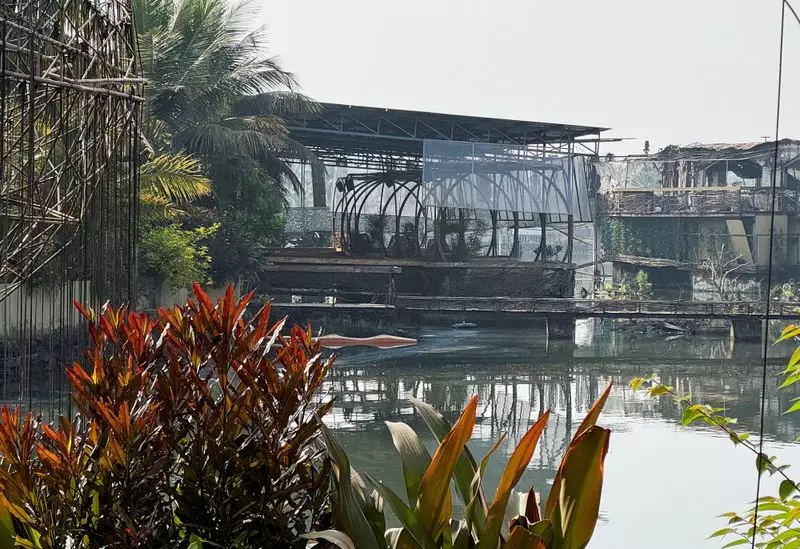
The recent devastating fire at a gaming zone in Rajkot, India, which claimed 27 lives, has tragically refocused attention on the persistent and deadly threat of fire disasters in places of public entertainment. This incident echoes a grim pattern of similar tragedies that have occurred in nightclubs and entertainment venues across the globe over the past decade. These events, often marked by overcrowding, inadequate exits, and flammable materials, serve as somber reminders of the critical importance of fire safety protocols.
A Chronology of Global Nightclub Fire Disasters
The past ten years have witnessed several horrific nightclub fires, each leaving behind a trail of grief and raising urgent questions about safety standards. The timeline of these deadly incidents underscores a recurring failure to learn from past mistakes.
One of the earliest tragedies in this period occurred on January 27, 2013, in the city of Santa Maria, Brazil. A fire sparked by band members' pyrotechnics inside the Kiss nightclub led to catastrophic consequences. The blaze resulted in the deaths of 242 people, with hundreds more injured, making it one of the deadliest nightclub fires in history. The incident was exacerbated by faulty fire extinguishers and a single exit, trapping patrons inside.

Just a few years later, on December 2, 2016, disaster struck in Oakland, California, USA. A fire erupted during a dance party at a converted warehouse known as the "Ghost Ship." The makeshift artist collective, which lacked basic safety features, became a death trap, killing 36 individuals. The warehouse was packed with highly flammable materials, and the labyrinthine interior made escape nearly impossible.
The African continent was not spared. On August 24, 2018, a fire broke out at the Club Colectiv in Bucharest, Romania. The flames, ignited by pyrotechnic effects during a rock band's performance, spread rapidly through the venue. The fire and subsequent stampede led to the deaths of 64 people, including many young concert-goers. This tragedy sparked massive protests in Romania over corruption and lax safety enforcement.
Recent Tragedies and Recurring Themes
More recently, the world watched in horror as another preventable catastrophe unfolded. On August 5, 2022, a fire tore through the Copacabana nightclub in the Murcia region of Spain. The incident claimed the lives of 13 people. Investigations pointed towards fireworks used during a performance as the likely cause, highlighting once again the dangers of pyrotechnics in enclosed, crowded spaces.
These incidents, spanning different continents and cultures, share alarmingly common threads. The repeated use of pyrotechnics indoors, often in venues not designed for such displays, emerges as a frequent catalyst. Furthermore, overcrowding beyond legal capacity limits, blocked or insufficient exits, and the presence of highly flammable decorative materials like soundproofing foam are factors that turn these entertainment hubs into infernos.
Lessons Unlearned and the Path Forward
The consistent pattern of these nightclub fire tragedies suggests that lessons from past disasters are not being adequately implemented worldwide. While local authorities often promise crackdowns and stricter enforcement in the immediate aftermath, vigilance appears to wane over time, until the next tragedy strikes.
The consequences of these fire tragedies extend far beyond the immediate loss of life. They leave families shattered, communities in mourning, and survivors with lifelong physical and psychological scars. Each event prompts a temporary global conversation on fire safety regulations, but sustained international pressure and knowledge-sharing on best practices are crucial.
The deadly incidents listed in the timeline serve as a stark warning. They underscore the non-negotiable need for:

- Stringent enforcement of building and fire codes for all public venues.
- Regular and unannounced safety inspections to ensure compliance.
- Clear and unobstructed emergency exits that are well-marked and sufficient for maximum capacity.
- Strict bans or controls on the use of pyrotechnics and open flames indoors.
- Mandatory staff training on evacuation procedures and crisis management.
As the world remembers the victims of these global disasters, the collective responsibility lies with venue owners, regulatory bodies, and governments to ensure that places of leisure do not become death traps. The memory of those lost in Santa Maria, Oakland, Bucharest, Murcia, and now Rajkot, must fuel a relentless commitment to preventing such history from repeating itself.