

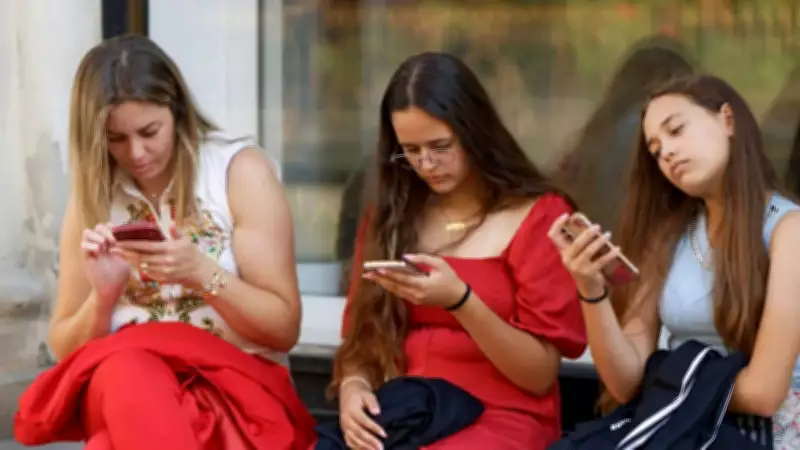
Global Crackdown: Over 15 Nations Enact or Plan Social Media Bans for Children
Around the world, governments are increasingly regulating the use of social media among children, primarily due to growing concerns about their psychological well-being, safety, and addiction to screens. This issue, once considered a private matter handled by families, has now become a significant focus of public policy and regulation.
Key Drivers Behind the Regulatory Trend
There are multiple reasons behind the global trend toward regulating children's social media use. First, it stems from fears regarding psychological effects. Studies have revealed a strong correlation between frequent social media usage and negative outcomes such as anxiety, sleep deprivation, and lack of concentration.
Another major concern relates to cyberbullying and personal data protection. Many platforms are designed with engaging features that keep users, including children, on their sites for extended periods, raising alarms about exploitation and harm.

List of Countries Introducing Social Media Bans for Children
According to various media reports, approximately 15 or more countries are planning to or have implemented stricter rules and regulations. Below is a combined list of these nations and their specific age restrictions:
- Australia: Ban under 16
- Austria: Proposed ban under 14
- Britain: Considering ban under 16
- Denmark: Ban under 15 (with parental exceptions)
- France: Proposed ban under 15
- Germany: Ages 13–16 require parental consent
- Greece: Ban under 15 (from 2027)
- Indonesia: Restrictions under 16
- Italy: Parental consent under 14
- Malaysia: Ban under 16 (from 2026)
- Norway: Minimum age 15 (with parental consent below)
- Poland: Proposed ban under 15
- Portugal: Ages 13–16 require parental consent
- India: Ban under 16 (state-level)
- Slovenia: Proposed ban under 15
- Spain: Planned ban under 16
- United States: Under 13 requires parental consent
Global Push to Ban Social Media for Children
Australia: The Australian government has made a decisive move by completely banning the use of social networking sites for minors under the age of 16. All popular platforms must prevent the registration of minors or face heavy fines.
Austria: According to a BBC report, Austria is planning to pass a law prohibiting social media use among individuals aged below 14 years. The proposal enjoys political support and is likely to be finalized soon.
Britain: While there is no total ban, the UK Parliament is exploring possibilities to ensure safer online experiences. On 19 January 2026, the government launched a consultation on children’s social media use, including proposals such as banning social media for children, which will close on 26 May 2026.
Denmark: Denmark plans to ban social media for children under 15 but may allow limited access for younger users with parental approval, effective from mid-2026. This policy aims to reduce risks without completely removing access.
France: France has approved a proposal to ban social media for children under 15, pending final approval. Lawmakers are focused on issues like online bullying and mental health, reflecting broader European concerns.
Germany: Germany allows children aged 13 to 16 to use social media with parental consent. Reports indicate that Germany is also considering stricter bans, though critics argue the current system may not be fully effective.
Greece: Greece has announced a ban on social media for children under 15, set to begin in 2027. This delayed timeline allows for preparation by regulators and tech companies, indicating long-term planning.

Indonesia: Indonesia is restricting access to high-risk platforms, with accounts belonging to children under 16 being identified and gradually removed. The policy targets widely used apps to reduce exposure to harmful content.
Italy: In Italy, social media use by children below the age of 14 requires parental permission, while teenagers above that age have more freedom, according to media releases.
Malaysia: Malaysia intends to introduce a social media ban for individuals below 16 years old starting in 2026, signaling future strict regulations.
Norway: Norway is working to increase the minimum age for independent social media use from 13 to 15, with parental consent still allowed for younger users, balancing concerns with flexibility.
Poland: Poland is drafting legislation to ban social media for children under 15 and require stricter age verification by platforms, targeting enforcement loopholes.
Portugal: Portugal requires parental consent for users aged 13 to 16 and imposes penalties on companies that fail to enforce rules, with fines potentially reaching a percentage of global revenue.
India: India is taking a gradual approach, with state-level regulations like Karnataka's ban for children under 16. National discussions are ongoing, and broader policies may follow.
Slovenia: Slovenia is preparing legislation to ban social media access for children under 15, reflecting growing concern in smaller European nations.
Spain: Spain plans to ban social media access for minors under 16 and require robust age verification systems, emphasizing enforcement over mere age limits.
United States: The US does not have a nationwide ban but relies on parental consent requirements for children under 13. Several states have introduced additional restrictions, though legal challenges have slowed implementation.
This global movement underscores a shift from individual responsibility to governmental intervention in protecting children from the potential harms of social media, with policies varying in strictness and implementation timelines across nations.





