

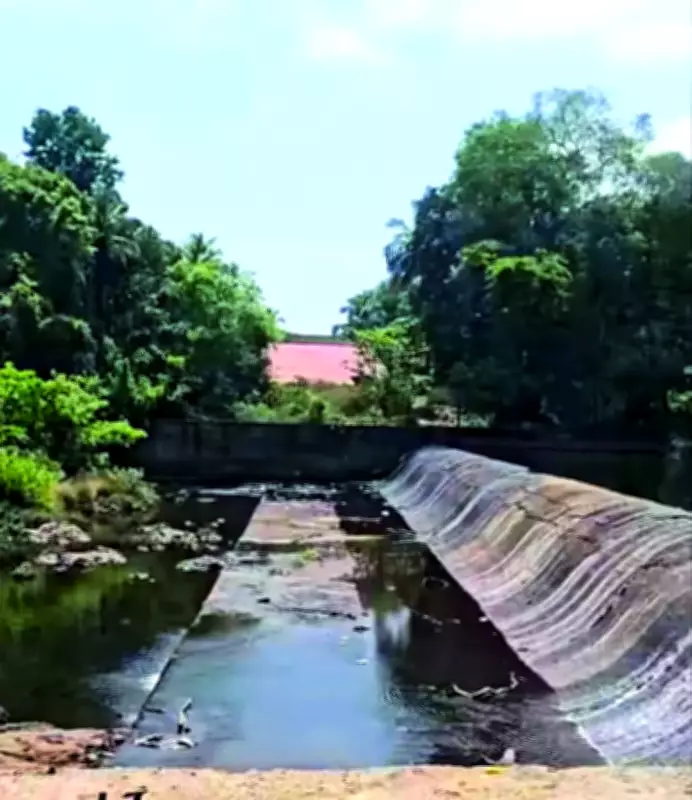
Goa's Kushavati River Undergoes First Major Desilting Since Weir Construction
In a significant environmental initiative, the Water Resources Department (WRD) of Goa has commenced a desilting operation on the Kushavati River at Quepem. This marks the first such exercise since the construction of a weir on the river, addressing long-standing issues of silt accumulation and flooding.
Addressing Flooding and Environmental Concerns
Quepem MLA Altone D’Costa highlighted the critical need for this project, explaining that over the years, silt, mud, and rubble have built up near the weir site. This accumulation has progressively raised the water level, causing downstream flow to be obstructed by litter and debris. As a result, water has been spilling into nearby fields, coconut groves, and residential areas, leading to frequent flooding during monsoon seasons.
D’Costa stated, "We have taken up desilting of the river at Quepem for a stretch of nearly one kilometre. We plan to extend this effort further up to Paroda. This initiative is expected to serve as a mitigation measure for the annual flooding that affects Paroda residents every monsoon." He added that more tenders for additional desilting work are in the pipeline, indicating a broader commitment to river management.

Preserving Scenic Beauty and Promoting Public Responsibility
Beyond the practical benefits, the MLA emphasized the scenic value of the area around the weir, noting that it is a popular spot for residents to enjoy natural surroundings. He urged the public to avoid littering and take greater responsibility in conserving natural resources. "We should preserve natural resources like rivers, lakes, and hills for posterity," D’Costa remarked, calling for community involvement in environmental protection efforts.
Expected Outcomes and Future Steps
Officials from the WRD anticipate that the desilting exercise will significantly improve water flow through the river channel. This enhancement is projected to reduce the risk of flooding, which has plagued Paroda and surrounding areas in recent monsoon seasons. The project represents a proactive step towards sustainable water management and disaster prevention in the region.
As the desilting progresses, authorities hope to not only alleviate immediate flooding concerns but also foster a culture of environmental stewardship among locals. The initiative underscores the importance of maintaining river health for both ecological balance and community well-being.






