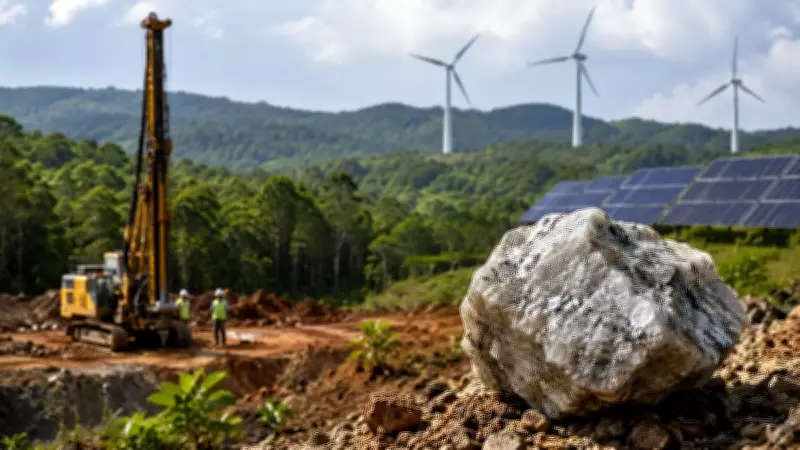
The global push towards a green transition, driven by the need to combat climate change, has significantly increased the demand for critical minerals such as lithium, cobalt, and rare earth elements. These minerals are essential for manufacturing electric vehicle batteries, solar panels, and wind turbines. However, the extraction process poses serious environmental and social risks that cannot be overlooked.
The Rush for Critical Minerals
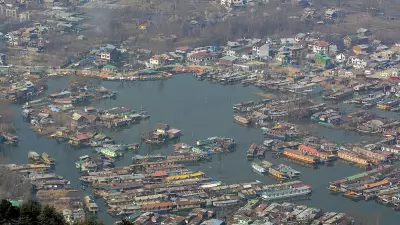
Countries around the world are scrambling to secure supplies of these minerals to meet their climate goals. India, too, has identified critical mineral reserves, including lithium in Jammu and Kashmir and rare earths in various states. The Geological Survey of India has been actively involved in exploration activities. While this is a positive step towards self-reliance and green energy, the manner in which exploration clearances are granted raises concerns.
Routine Approvals vs. Irreversible Steps
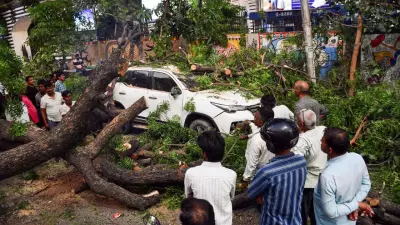
The danger lies in treating exploratory clearances as routine administrative approvals. In reality, they often become the first irreversible step towards large-scale mining. Once exploration begins, the pressure to move to commercial extraction intensifies, regardless of the environmental or social costs. This can lead to deforestation, water pollution, displacement of communities, and loss of biodiversity.

Need for a Balanced Approach
A responsible green transition requires a balanced approach that prioritizes environmental sustainability and social equity. Mining projects must undergo rigorous environmental impact assessments and involve meaningful consultation with local communities. Transparency in the clearance process is crucial to prevent conflicts and ensure that the benefits of mining are shared fairly.
Lessons from Global Experiences
Several countries have faced backlash due to irresponsible mining practices. For instance, lithium mining in South America's salt flats has caused water depletion and ecosystem damage. Similarly, cobalt mining in the Democratic Republic of Congo has been linked to child labor and unsafe working conditions. India must learn from these examples and establish robust regulatory frameworks.
Conclusion
The green transition is imperative, but it must not come at the cost of environmental degradation or social injustice. By ensuring responsible extraction practices, India can achieve its climate goals while protecting its natural heritage and the well-being of its people. Policy makers must treat exploration clearances with the seriousness they deserve, recognizing that the first step towards mining is a decision with long-lasting consequences.