

Greenland's Treeless Landscape: How Climate and Geography Shape a Unique Ecosystem
When we think of land on Earth, images of lush forests, vibrant greenery, and towering trees often come to mind. However, there exists a remarkable exception to this norm: Greenland, the world's largest island, stands out as a vast, treeless expanse. This absence of forests might seem surprising at first glance, but it is a direct result of the island's harsh climate and challenging geographical conditions.
Extreme Cold and Short Summers: The Primary Barriers to Tree Growth
One of the most significant factors contributing to Greenland's lack of trees is its climate. The island experiences long, frigid winters and brief, cool summers, creating an environment where most tree species cannot survive. Trees require a certain level of warmth and a sufficient growing season to thrive, but in Greenland, the summers are too cold and too short to support their growth. This climatic limitation is a fundamental reason why forests have not taken root here.
Ice Coverage and Unstable Ground: Additional Challenges for Vegetation
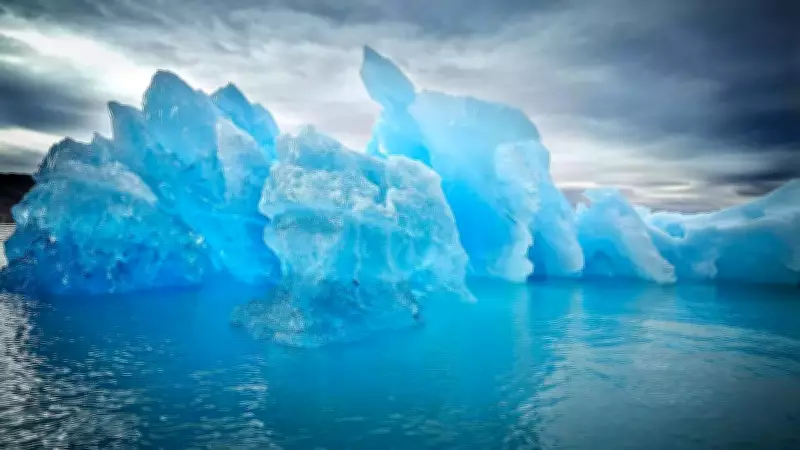
A large portion of Greenland's surface is covered by an ice sheet, which significantly restricts the land available for plant growth. According to the National Snow and Ice Data Centre (NSIDC), nearly 80% of the island is encased in ice, leaving only a small area ice-free. Even in regions where ice melts seasonally, the soil conditions remain harsh and unstable, making it difficult for trees to establish deep roots. Without proper soil structure and nutrients, forests cannot flourish.

Permafrost: A Frozen Barrier to Root Development
Another critical factor is the presence of permafrost, where the soil remains frozen for most of the year. This frozen ground prevents water from draining properly and hinders roots from penetrating deeply into the earth. As a result, only smaller, hardier plants like mosses, lichens, and shrubs can adapt to these conditions. Trees, which need deeper and stronger root systems, are unable to survive in such an environment.
Limited Tree Growth in Southern Regions and the Impact of Climate Change
Despite Greenland's predominantly treeless landscape, there are a few exceptions. In the southern parts of the island, small trees such as birch and willow can be found in limited numbers. The Qinngua Valley, for instance, hosts a small natural forest where conditions are slightly more conducive to tree growth. In recent years, climate change has begun to alter Greenland's environment, with rising temperatures and melting ice opening up new possibilities. Some areas are witnessing increased shrub growth, and experiments in tree planting have shown promising results, hinting at potential future changes.
A Unique Ecosystem Thriving in Extreme Conditions
Despite the absence of trees, Greenland boasts a resilient and unique ecosystem. The plants that do grow here have evolved to withstand extreme cold, limited sunlight, and poor soil conditions. This ecosystem demonstrates that forests are not a necessity for life to thrive; instead, it highlights nature's incredible adaptability. Greenland's environment serves as a powerful reminder of how climate shapes biodiversity and the ability of life to persist in even the most challenging settings.
In summary, Greenland's treeless nature is a testament to the profound influence of climate and geography on an ecosystem. From its icy expanses to its frozen soils, every aspect of the island's environment plays a role in preventing tree growth, while fostering a distinct and hardy plant community that continues to captivate scientists and nature enthusiasts alike.






