Gujarat's Ambitious Forest Policy Targets 15% Green Cover by 2047 with Focus on Wetlands and Mangroves
The Gujarat forest department is crafting a comprehensive new policy framework that places wetland and mangrove conservation at the heart of the state's long-term environmental strategy. This initiative aims to significantly boost Gujarat's green cover from the current approximate level of 11% to an ambitious target of 15% by the year 2047, marking a transformative shift in the region's ecological management.
Strategic Milestones and National Alignment
This state-specific policy is designed to align with the broader objectives of the National Forest Policy while establishing clear, incremental milestones. Officials have outlined a phased approach, targeting an increase to 13% green cover by 2037, followed by the ultimate goal of 15% by 2047. This structured timeline ensures measurable progress and accountability in Gujarat's environmental stewardship.
Mangrove Conservation as a Coastal Defense Priority
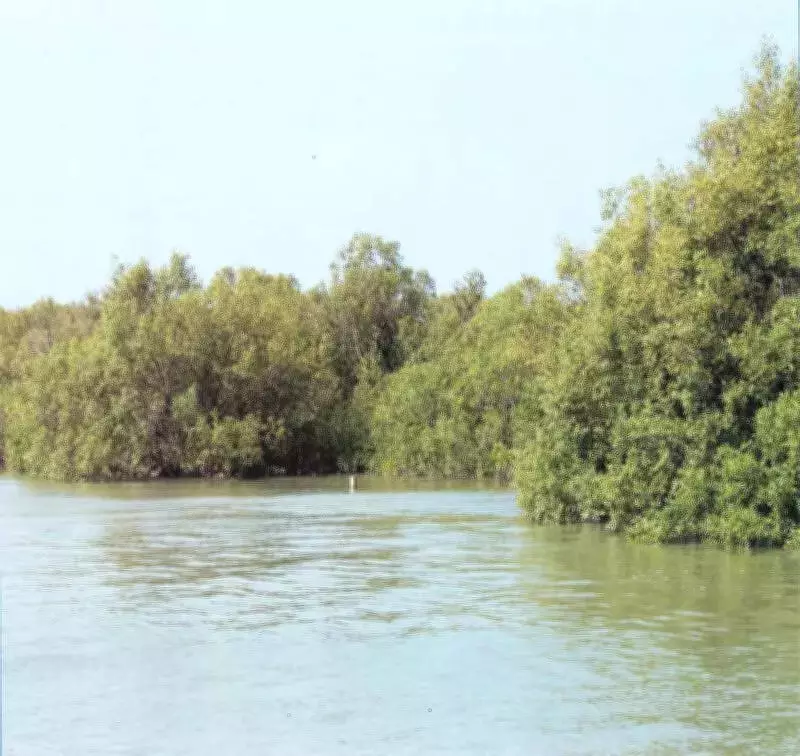
A major thrust of the policy is the conservation and expansion of mangrove ecosystems along Gujarat's extensive coastline. With the state boasting 1,165 kilometers of mangrove area, these vital habitats are recognized for their role in checking salinity ingress and fortifying coastal resilience against erosion and climate impacts.

The department plans to enrich and officially notify ecologically sensitive coastal stretches, including vast mudflat areas estimated at around 100,000 hectares. The focus will shift from merely increasing plantation numbers to ensuring the long-term survival and enhanced habitat quality of mangroves. Scaling up protection measures across identified coastal belts is a key component, emphasizing sustainable growth over short-term metrics.
Wetland and Lake Restoration for Biodiversity and Livelihoods
Wetland and lake restoration forms another critical pillar of the policy framework. Officials propose identifying large ponds, lakes, and wetlands for systematic restoration and conservation efforts. Select sites are earmarked for development under regulated eco-tourism models, aiming to balance ecological protection with economic opportunities.
The objectives include improving water retention capacities, reviving local biodiversity, and creating nature-based livelihoods for communities. Importantly, stringent protection rules will be integrated into the management plans of these sites to prevent degradation and ensure sustainable use.
Stricter Forest Land Diversion and Roadside Plantations
The draft policy signals a stricter approach to forest land diversion, with the department likely to emphasize a "no transfer of forest land" principle as a guiding tenet for future planning. This move aims to curb deforestation and preserve existing forest ecosystems.
In parallel, the policy proposes mainstreaming roadside and corridor plantations as a mandatory component of all future road expansion projects. The successful Dwarka-Somnath road plantation initiative, implemented in collaboration with an NGO, is being cited as a model for institutionalization. For existing road networks traversing sensitive habitats, measures such as speed restrictions—similar to those on sanctuary roads in Sasan—are under consideration to reduce wildlife disturbance and mortality.
Expanding Canopy Beyond Forests: Agroforestry and Riverine Restoration
Beyond traditional forest areas, the policy places significant emphasis on agroforestry and promoting "trees outside forests" to expand green canopy on revenue and private lands. This approach seeks to integrate tree cover into agricultural and urban landscapes, enhancing overall environmental health.
Additionally, restoration efforts are proposed along 184 riverine stretches located outside major river basins. This initiative aims to maximize tree cover and improve habitat conditions to attract and support avian life, contributing to biodiversity conservation.
Grassland Restoration in Kutch
In the Kutch region, the policy includes proposals for Banni grassland restoration through the removal of the invasive gando bawal species. This effort is intended to support native ecology and restore the natural balance of this unique grassland ecosystem, furthering Gujarat's commitment to comprehensive environmental management.