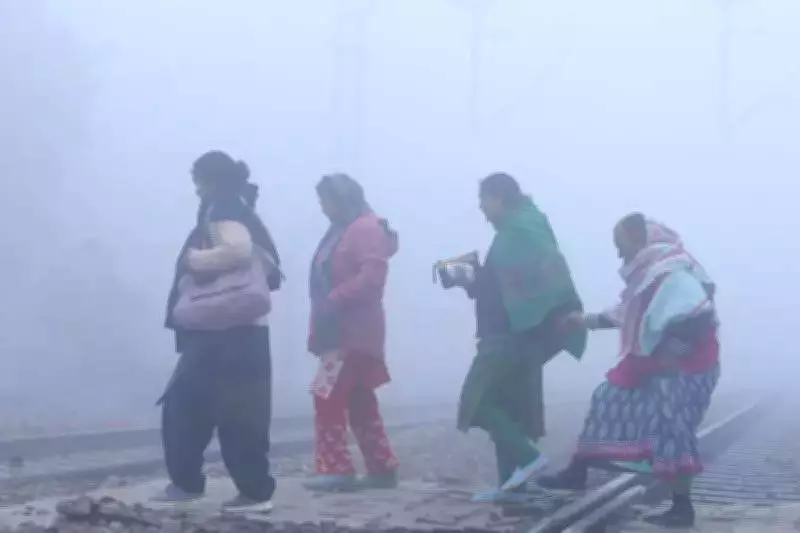
Gurgaon Grapples with Dense Morning Fog as Temperatures Swing Across Haryana
Residents of Gurgaon faced challenging commuting conditions on Tuesday morning as a thick blanket of dense fog enveloped the city, significantly reducing visibility and slowing down early traffic. The fog persisted until approximately 9 am, with conditions gradually improving by 10 am as skies began to clear.
Temperature Trends: Cool Nights and Warmer Days
The city recorded a minimum temperature of 8.7°C at its Automatic Weather Station, marking a noticeable chill in the air. Across Haryana, the average minimum temperature dropped by 2.6°C compared to Monday, though it remained close to normal seasonal levels. Hisar emerged as the coldest location in the state with a minimum of 5.5°C.
However, daytime temperatures told a different story. Gurgaon's maximum temperature rose sharply to 20.7°C at the Krishi Vigyan Kendra station, reflecting an increase of over 3°C from the previous day. Statewide, the average maximum temperature increased by 1.3°C, staying near seasonal norms. Bhiwani AWS recorded the highest maximum temperature in Haryana at 22.3°C.

District-Wide Temperature Variations
Other districts across Haryana experienced moderate daytime temperatures:
- Faridabad: 21.4°C
- Rohtak: 20.3°C
- Karnal: 18.8°C
- Ambala: 19.1°C
- Narnaul: 20.5°C
Notably, no rainfall was recorded anywhere in Haryana during the past 24 hours, indicating dry weather conditions prevailing across the state.
Traffic Impact and Commuting Challenges
The dense fog significantly impacted morning traffic in Gurgaon, with motorists navigating through poor visibility conditions. The situation was particularly challenging along arterial roads and stretches connecting residential sectors with National Highway 8. As visibility improved by late morning, traffic flow normalized and commuting conditions eased considerably.
Meteorological Outlook and Western Disturbances
According to the India Meteorological Department, three western disturbances are likely to affect the western Himalayan region over the next seven days. The IMD has issued warnings of dense to very dense fog during morning and night hours at isolated to few places over Himachal Pradesh, Uttarakhand, the plains of northwest India, and north Madhya Pradesh until February 5.
This forecast suggests that foggy morning conditions are likely to persist over the next couple of days, potentially affecting commuting patterns in the region.
Expert Analysis on Weather Patterns
Meteorologists attribute the current weather pattern of brief cold dips followed by warmer afternoons to ongoing western disturbance activity. They note that while nights may remain cool, daytime temperatures are expected to stay relatively comfortable once the frequency of fog begins to reduce. This pattern represents a transitional phase in the region's winter weather, with temperature fluctuations becoming more pronounced.
The combination of foggy mornings and temperature variations underscores the dynamic nature of winter weather in northern India, with residents needing to adapt to changing conditions throughout the day.