

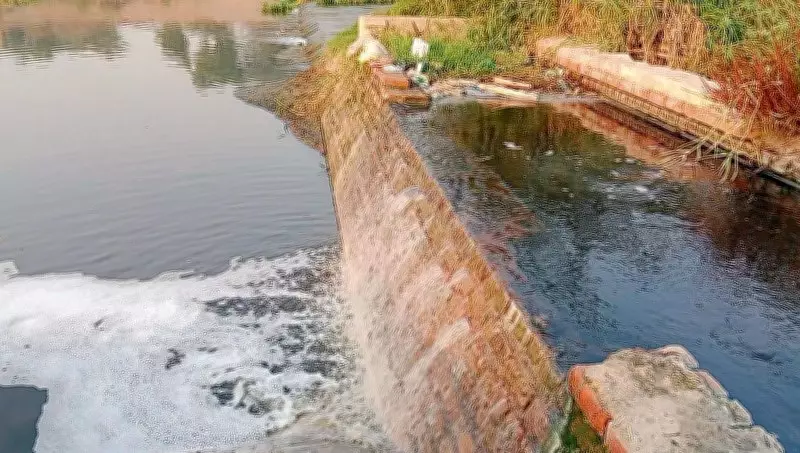
Gurugram's Untreated Waste Severely Pollutes Yamuna Before Delhi
Recent data released by the Pollution Control Board has uncovered a severe environmental issue, revealing that Gurugram's untreated waste is significantly choking the Yamuna river long before it flows into Delhi. This alarming finding highlights a critical pollution crisis in Haryana, with far-reaching implications for water quality and public health across the region.
Pollution Control Board Data Exposes Critical Findings
The Pollution Control Board's comprehensive analysis indicates that industrial discharge, sewage, and solid waste from Gurugram are major contributors to the Yamuna's deteriorating condition. Key parameters such as biochemical oxygen demand (BOD) and chemical oxygen demand (COD) show dangerously high levels in the river segments near Gurugram, far exceeding permissible limits set by environmental standards. This data underscores the urgent need for intervention to prevent further degradation of one of North India's most vital water bodies.
Impact on Yamuna River and Downstream Areas
The pollution from Gurugram not only affects local ecosystems but also exacerbates water quality issues in Delhi, where the Yamuna is already heavily polluted. Experts warn that this untreated waste flow could lead to increased health risks for communities relying on the river for various purposes, including agriculture and domestic use. The contamination includes harmful pollutants like heavy metals and pathogens, posing threats to aquatic life and human well-being alike.

Environmental and Health Concerns in Haryana
This revelation points to broader environmental management challenges in Haryana, where rapid urbanization and industrial growth have outpaced waste treatment infrastructure. Local authorities are under pressure to address the gaps in sewage treatment plants and enforce stricter regulations on industrial effluents. Public health advocates emphasize that prolonged exposure to such polluted water can result in waterborne diseases and long-term ecological damage, necessitating immediate corrective measures.
Call for Action and Future Steps
In response to the Pollution Control Board's findings, environmental groups and residents are calling for enhanced monitoring and sustainable waste management practices in Gurugram. Proposed solutions include upgrading existing treatment facilities, implementing stricter pollution controls, and promoting public awareness campaigns. Addressing this issue is crucial not only for Haryana's environmental health but also for ensuring the Yamuna's vitality as it traverses through multiple states, including Delhi.






