

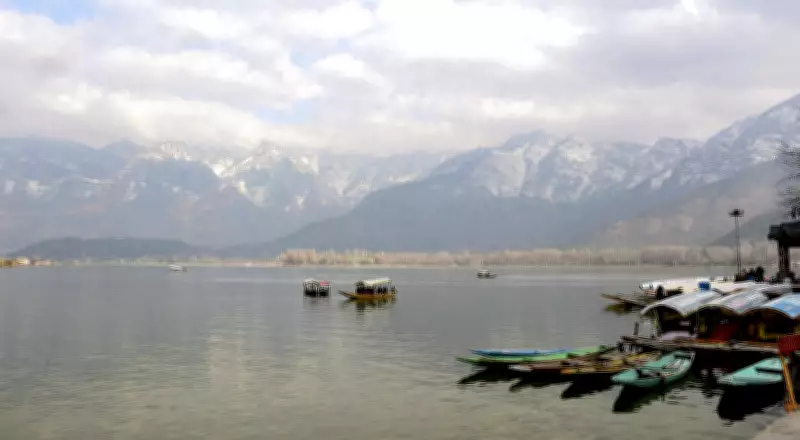
Half of Jammu & Kashmir's Lakes Have Disappeared Since 1967, Audit Exposes Grave Ecological Crisis
A shocking environmental audit has revealed that Jammu and Kashmir has lost a staggering 50% of its lakes since 1967, highlighting a profound and escalating ecological disaster in the region. The findings, which emerged in early April 2026, underscore the urgent need for conservation efforts as natural water bodies face unprecedented threats.
Iconic Lakes Under Severe Pressure from Multiple Threats
Even renowned and historically significant lakes such as Dal Lake and Wular Lake are not spared from this alarming trend. These iconic water bodies continue to endure intense pressure from a trifecta of destructive forces: rampant pollution, widespread encroachments, and severe siltation. The audit flags these issues as critical contributors to the degradation and loss of aquatic ecosystems across Jammu and Kashmir.
Pollution from untreated sewage, agricultural runoff, and industrial waste has severely compromised water quality, leading to eutrophication and habitat destruction. Encroachments by human settlements and infrastructure projects have steadily reduced the surface area and natural boundaries of these lakes, disrupting their ecological balance. Additionally, siltation caused by deforestation and unsustainable land use practices has accelerated the filling in of lake beds, diminishing their depth and capacity.

Deep Ecological Implications and Urgent Call to Action
The loss of half of Jammu and Kashmir's lakes over the past six decades points to a deep-seated ecological crisis with far-reaching consequences. Lakes play a vital role in maintaining biodiversity, regulating local climates, supporting agriculture, and providing livelihoods for communities. Their decline threatens not only the environment but also the socio-economic fabric of the region.
Environmental experts and the audit report emphasize that immediate and coordinated action is essential to reverse this trend. Potential measures include:
- Strengthening and enforcing regulations to control pollution and prevent further encroachments.
- Implementing large-scale restoration projects to desilt and rehabilitate affected lakes.
- Promoting sustainable tourism and agricultural practices to reduce environmental impact.
- Enhancing public awareness and community involvement in conservation efforts.
The audit serves as a stark reminder of the fragile state of Jammu and Kashmir's natural heritage and the pressing need to safeguard its remaining lakes for future generations.






