

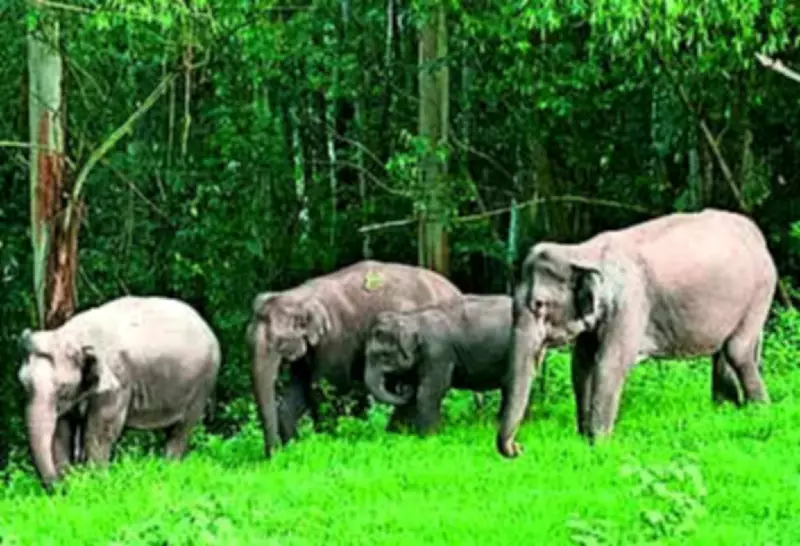
Hazaribag Initiates Scientific Elephant Study After Fatal Attacks
In response to a tragic series of events that resulted in over half a dozen human fatalities last week, the Hazaribag forest department has taken decisive action by launching a comprehensive scientific study of elephant behavior. The initiative aims to understand and mitigate the growing conflict between humans and elephants in the region.
Expert Team Arrives for Behavioral Assessment
A specialized team of five ethologists from Odisha arrived in Hazaribag on Monday, immediately proceeding to the Churchu forest area to commence their assessment. Despite their prompt deployment, the team was unable to locate the elephant herd on their first day of fieldwork, highlighting the challenges of studying wildlife in their natural habitat.
Forest officials have outlined that the expert team will conduct an in-depth analysis focusing on several critical aspects of elephant behavior. This includes observing the jumbos in their natural environment, documenting their daily habits, investigating the underlying reasons for their aggression, and examining the social structure of the herd. The study is expected to provide valuable insights that could inform future conservation and safety measures.

Background and Context of the Crisis
The decision to undertake this scientific study comes in the wake of escalating human-elephant conflicts in Hazaribag, which have recently culminated in multiple fatalities. The local community has been deeply affected by these incidents, prompting urgent calls for intervention from authorities.
The forest department's proactive approach involves leveraging scientific expertise to address the root causes of elephant aggression. By understanding the behavioral patterns and environmental factors contributing to these attacks, officials hope to develop effective strategies to prevent future tragedies.
Objectives and Expected Outcomes
The primary objectives of the study include:
- Identifying triggers for elephant aggression in the Hazaribag region.
- Mapping the movement patterns and habitat usage of the elephant herds.
- Assessing the impact of human activities on elephant behavior.
- Formulating evidence-based recommendations for conflict resolution.
This scientific endeavor represents a significant step towards fostering coexistence between humans and wildlife in Hazaribag. The findings from the study are anticipated to guide policy decisions and on-ground interventions aimed at reducing the risk of future attacks.
The involvement of experienced ethologists from Odisha underscores the collaborative effort to tackle this pressing issue. Their expertise in animal behavior will be instrumental in uncovering the complexities of elephant dynamics in the area.






