

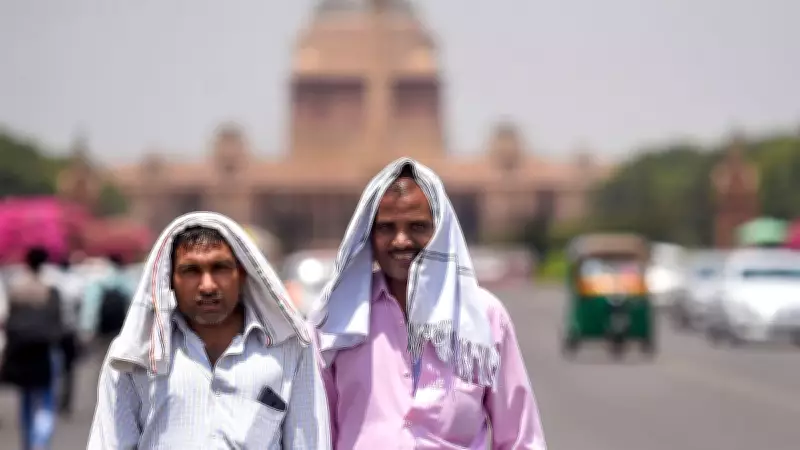
India is grappling with increasingly severe heat waves, a direct consequence of climate change. These extreme weather events are no longer anomalies but recurring crises that demand immediate and comprehensive policy responses. The recent heat wave in northern India, with temperatures soaring above 45 degrees Celsius, has resulted in hundreds of fatalities and disrupted daily life for millions.
The Escalating Threat of Heat Waves
Heat waves are becoming more frequent, intense, and prolonged. According to the India Meteorological Department, the number of heat wave days has increased significantly over the past decade. This trend is expected to worsen, posing grave risks to public health, agriculture, water resources, and energy systems. Vulnerable populations, including the elderly, children, outdoor workers, and the poor, are disproportionately affected.
Health Impacts and Economic Costs
The health consequences of heat waves are severe, ranging from heat exhaustion and heatstroke to exacerbation of chronic conditions. Hospitals report surges in admissions during heat waves. Economically, productivity losses in sectors like construction, agriculture, and manufacturing are substantial. The World Bank estimates that heat stress could cost India up to 4.5% of its GDP by 2030.

Urgent Policy Interventions Needed
Addressing the heat wave crisis requires a multi-pronged strategy. First, early warning systems must be strengthened to provide timely alerts. Second, urban planning should incorporate heat-resilient infrastructure, such as green roofs, cool pavements, and increased tree cover. Third, heat action plans need to be implemented at the city level, including cooling centers and public awareness campaigns.
Community-Based Adaptation
Local communities must be empowered to adapt. This includes promoting traditional building designs that enhance natural ventilation, adopting reflective materials, and creating shaded public spaces. Additionally, occupational health standards for outdoor workers should be revised to include mandatory breaks and hydration protocols.
Long-Term Strategies: Mitigation and Adaptation
In the long run, reducing greenhouse gas emissions is crucial to curb the frequency and intensity of heat waves. India has made commitments under the Paris Agreement, but accelerated action is needed. Simultaneously, adaptation measures like heat-resistant crop varieties and water conservation techniques can help secure food and water supplies.
The urgency of the situation cannot be overstated. As temperatures continue to rise, the window for effective action is narrowing. Policymakers, businesses, and communities must collaborate to build a heat-resilient future. The cost of inaction is measured in lives lost and economic setbacks. It is time to treat heat waves as a national emergency and respond with the urgency they demand.






