

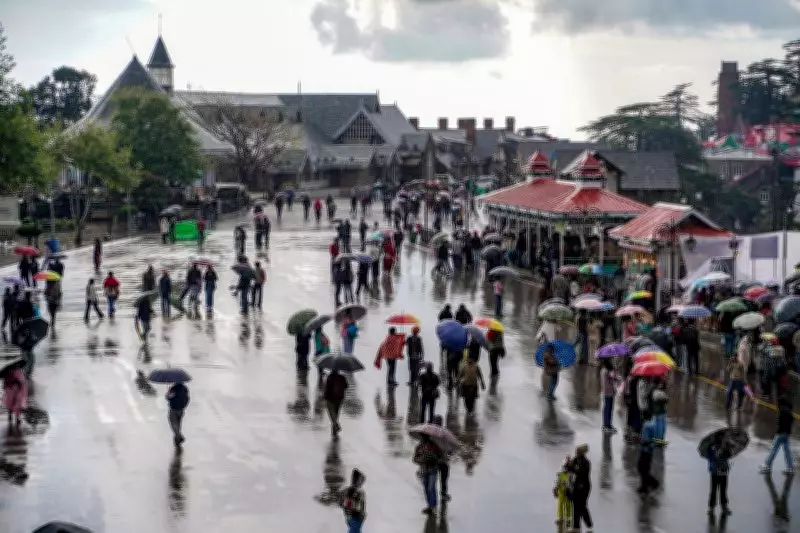
Himachal Pradesh Witnesses Record-Breaking Rainfall in April
In a remarkable meteorological event, Himachal Pradesh has recorded an extraordinary 130% surplus rainfall during the month of April, establishing it as the wettest month of the year for the region. This significant deviation from normal precipitation patterns has drawn attention from weather experts and local authorities alike, highlighting the state's unique climatic conditions this season.
Unprecedented Surplus Rainfall Figures
The data reveals that Himachal Pradesh received rainfall far exceeding its usual averages for April, with the surplus calculated at 130%. This means the state experienced more than double the expected rainfall for this period, a phenomenon that is rare and noteworthy in the context of regional weather trends. The heavy downpours have been widespread across various districts, contributing to this overall surplus.
April Emerges as the Wettest Month
With this surplus, April has now been identified as the wettest month of the year for Himachal Pradesh, surpassing other typically rain-heavy months. This shift in precipitation patterns could have implications for the state's annual weather cycle, potentially affecting agricultural schedules, water management strategies, and tourism activities. The designation of April as the wettest month underscores the variability and intensity of rainfall in the region.

Impact on Agriculture and Water Resources
The surplus rainfall is expected to have both positive and negative effects on Himachal Pradesh's economy and environment. On one hand, it may benefit water reservoirs and support early crop growth, but on the other, it could lead to soil erosion, landslides, and disruptions in farming activities. Authorities are monitoring the situation closely to mitigate any adverse consequences while leveraging the increased water availability for sustainable use.
Regional Weather Analysis and Future Outlook
Meteorologists attribute this surplus to specific atmospheric conditions, such as western disturbances or localized weather systems, that have intensified rainfall in the state. Looking ahead, this event may influence predictions for the upcoming monsoon season and overall annual rainfall totals. Continued observation and data collection will be crucial for understanding long-term climate trends in Himachal Pradesh.
In summary, Himachal Pradesh's experience of 130% surplus rainfall in April has made it the wettest month of the year, with significant ramifications for the state's agriculture, water management, and climate resilience. This development serves as a reminder of the dynamic nature of weather patterns in the region.






