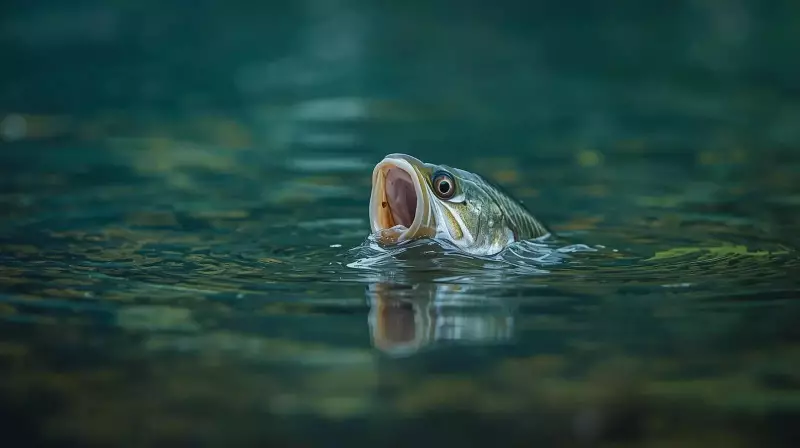
At first glance, the idea that a fish could struggle to breathe seems absurd. They live entirely in water, so how could they ever be short of breath? It feels like wondering if birds can simply fall from the sky. Yet, this question surfaces often, especially when we spot a fish gasping at the water's surface or lying lifeless on a shore.
The Delicate Science of Breathing Underwater
Breathing isn't just about being wet; it's a precise process involving oxygen, movement, and a critical balance. Fish require oxygen just as much as land animals do, even though their method of collecting it is entirely different. When this process fails, their survival becomes uncertain very fast. Water, the very element that supports their life, can become a hostile environment. To understand their peril, we must first understand how they breathe—and why the term 'drowning' is a misnomer for their silent crisis.
Gills: The Underwater Lifeline
Fish do not have lungs. Instead, they rely on gills, which are located on the sides of their heads and protected by bony covers. As a fish swims or rhythmically opens and closes its mouth, water flows over these gills. Inside, a network of fine, blood-filled filaments performs a vital exchange: oxygen dissolved in the water passes into the bloodstream, while carbon dioxide and other waste gases are expelled.

This entire system depends on a constant, uninterrupted flow of water. Some fish species can actively pump water over their gills while stationary. Others, like many sharks, must keep swimming to force water through. This key difference highlights how fragile the act of breathing underwater truly is. If the flow stops or the delicate gill structures are damaged, the life-sustaining exchange grinds to a halt.
When Water Becomes a Threat: The Reality of Suffocation
So, can a fish drown? Technically, no—drowning implies lungs filling with fluid. A fish is already submerged. However, they can absolutely suffocate while surrounded by water. This happens when the water itself loses its life-giving property: dissolved oxygen.
Several factors can cause oxygen levels in water to plummet dangerously low. Pollution from agricultural or industrial runoff can consume oxygen. Overcrowding in ponds or fish farms depletes the available oxygen supply. Stagnant water with little movement or circulation also holds less oxygen. Crucially, warm water holds significantly less oxygen than cold water. This is why summer heatwaves often lead to distressing scenes of mass fish deaths in lakes and rivers. The fish don't drown; they suffocate because the water no longer contains what they need to live.
Climate Change and Other Silent Killers
The risks to a fish's ability to breathe are more common than we think. The most obvious example is taking a fish out of water. In air, the delicate gill filaments collapse and stick together, ending oxygen transfer within minutes for most species. But threats exist within their aquatic world too.
Damaged gills, whether from physical injury, parasites, or infection, cannot function efficiently. Murky water laden with silt or sediment can clog the gills. The overarching threat of climate change adds a severe, compounding layer. Rising global temperatures directly lower oxygen levels in water bodies while simultaneously increasing the fish's metabolic rate and oxygen demand. Stressed fish may be seen crowding near the surface, 'gasping' for what little oxygen is available. It is not a dramatic event but a slow, quiet crisis that often goes unseen until it is too late.
In conclusion, while fish do not drown in the human sense of the word, they face a constant and growing battle for breath. Their specialized gills are a marvel of evolution, but they are also a vulnerability. Protecting our rivers, lakes, and oceans from pollution, over-exploitation, and the effects of warming is essential to ensuring that fish can continue to do what they have done for millennia: breathe freely in their watery home.