IEA Issues Dire Warning on Global Energy Crisis Triggered by Middle East Conflict
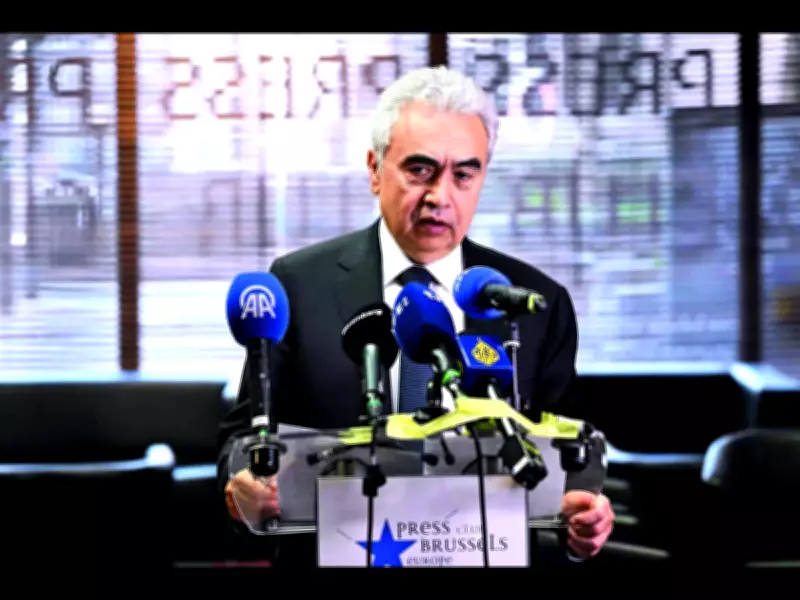
The International Energy Agency (IEA) has issued a stark warning that the ongoing war in the Middle East has plunged the world into a severe energy crisis, with profound implications for the global economy. Speaking at the National Press Club in Canberra, Australia, IEA Executive Director Fatih Birol emphasized that "no country is immune" to the shockwaves emanating from this conflict.
An Unprecedented Combination of Energy Shocks
Birol described the current situation as an unprecedented disruption, combining multiple severe shocks to both oil and gas supplies. "This crisis as things stand is now two oil crises and one gas crash put all together," he stated, drawing alarming comparisons with historical energy shocks including the oil crises of the 1970s and the market turmoil following Russia's 2022 invasion of Ukraine.
Highlighting the scale of the threat, Birol warned, "The global economy is facing a major, major threat today, and I very much hope that this issue will be resolved as soon as possible." He stressed the urgent need for coordinated global efforts to address the escalating crisis.

Extensive Damage to Regional Energy Infrastructure
The conflict has already caused substantial damage to critical energy assets across the Middle East. Birol revealed that at least forty energy facilities across nine countries in the region have suffered severe or very severe damage. This widespread destruction has significantly hampered energy production and distribution capabilities.
The crisis has been intensified by the near shutdown of the strategically vital Strait of Hormuz, a crucial transit route that handles approximately one-fifth of global oil and gas shipments. The standoff over this waterway has deepened as the war enters its fourth week, with escalating threats from multiple parties.
Geopolitical Tensions and Ultimatums
US President Donald Trump has issued a 48-hour ultimatum to Iran, demanding the complete reopening of the Strait of Hormuz without threats. "If Iran doesn't fully open, without threat, the Strait of Hormuz, within 48 hours from this exact point in time, the United States of America will hit and obliterate their various power plants," Trump warned.
In response, Tehran has signaled that any attack on its energy infrastructure would prompt retaliation against a broader range of targets linked to the United States and its regional allies. The message was conveyed by Ebrahim Zolfaghari through Islamic Republic of Iran Broadcasting, indicating the potential for escalation beyond conventional military targets.
Market Impact and Emergency Measures
Oil markets have already reflected the strain, with US benchmark crude briefly touching the $100-per-barrel mark. Birol identified the reopening of the Strait of Hormuz as the most critical step toward stabilizing the situation, while also flagging rising fuel shortages in Asia as a growing concern.
The IEA is currently consulting governments worldwide and remains prepared to release additional oil from emergency reserves if needed. Earlier this month, 32 member nations of the IEA agreed to release 400 million barrels of oil from their emergency reserves to address the ongoing supply disruption.
However, Birol clarified that no specific price level would automatically trigger such emergency releases, indicating the complexity of the current crisis management approach.
Broader Implications and Regional Threats
The energy crisis has sparked concerning rhetoric from various regional actors. Former Pakistani envoy Abdul Basit made controversial remarks suggesting that if America strikes Iran, retaliation should target Indian cities like Delhi and Mumbai. Meanwhile, Iran has announced that ships can pass through the Hormuz Strait except for "enemy" vessels, further complicating navigation through this critical waterway.
As the conflict continues to evolve, the IEA's warning underscores the interconnected nature of global energy markets and the vulnerability of the world economy to regional conflicts. The agency's call for global cooperation highlights the urgent need for diplomatic solutions to prevent further escalation and economic damage.