

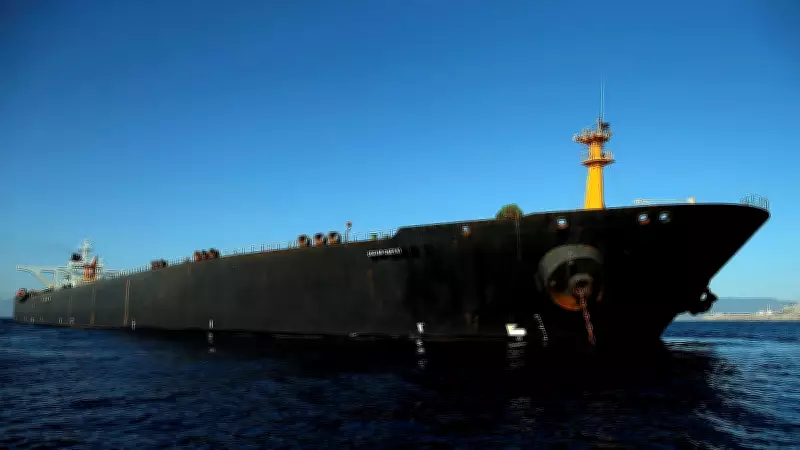
IEA Issues Stark Warning on Prolonged Gulf Supply Disruption
The International Energy Agency (IEA) has raised serious concerns about a deepening global energy crisis, warning that disruptions to Gulf supply routes could take as long as six months to fully resolve. According to the agency's latest assessment, both political leaders and financial markets are significantly underestimating the scale and potential impact of this ongoing supply chain interruption.
Underestimated Scale of Disruption
The IEA emphasized that current market reactions and political responses fail to adequately account for the magnitude of the supply disruption affecting critical energy exports from the Gulf region. This miscalculation could lead to more severe consequences than anticipated, particularly as the situation shows no signs of immediate resolution.
The Strait of Hormuz, a vital maritime chokepoint for global oil and gas shipments, remains a focal point of concern. Any prolonged disruption in this strategically important waterway could have cascading effects on energy markets worldwide, potentially triggering price volatility and supply shortages across multiple continents.

Six-Month Recovery Timeline
Energy analysts within the IEA project that restoring normal supply flows from the Gulf region may require approximately half a year, creating an extended period of uncertainty for global energy security. This timeline accounts for both logistical challenges and potential geopolitical complications that could arise during the recovery process.
The warning comes at a particularly sensitive time for global energy markets, which have already been experiencing strain from various geopolitical and economic factors. The extended disruption could exacerbate existing vulnerabilities in energy infrastructure and distribution networks.
Market and Political Implications
The IEA's assessment suggests that both market participants and policymakers need to adjust their expectations and preparations for what could become a sustained energy supply challenge. Key implications include:
- Potential for increased energy price volatility across global markets
- Need for accelerated development of alternative energy sources
- Increased pressure on strategic petroleum reserves in consuming nations
- Possible shifts in global energy trade patterns and partnerships
As the situation continues to evolve, the International Energy Agency will be closely monitoring developments and providing updated guidance to member countries and market participants. The organization stresses the importance of coordinated international response measures to mitigate the potential impacts of this prolonged supply disruption.






