IEA Chief Issues Stark Warning to Europe on Russian Gas Dependence
The head of the International Energy Agency (IEA) has issued a forceful caution to European nations, advising against any return to Russian gas supplies despite the ongoing turmoil in global energy markets triggered by the Middle East crisis. According to a Reuters report, IEA Executive Director Fatih Birol stated that such a move would represent both an economic and political miscalculation, repeating past strategic errors.
Middle East Crisis Sparks Debate on Energy Security
Fatih Birol revealed that the current conflicts in the Middle East have prompted fresh discussions in some European quarters about potentially resuming gas purchases from Russia. "The current crisis in the Middle East has led to questions in some quarters about whether to go back to Russia or not," Birol told reporters following a high-level meeting with European Commission President Ursula von der Leyen and EU commissioners.
The meeting was specifically convened to address the volatile state of global energy markets and Europe's strategic positioning. Birol emphasized that Europe must learn from its historical mistakes rather than repeat them under pressure.

Europe's Historical Energy Mistake
Birol pointed directly to what he described as one of Europe's most significant strategic blunders: excessive reliance on a single energy supplier. "One of Europe's historical mistakes was the over-reliance of its energy sources on one single country, Russia," the IEA chief declared. He warned that returning to this dependency would undermine Europe's hard-won energy diversification efforts and leave the continent vulnerable to geopolitical manipulation.
The IEA director's comments come at a particularly sensitive time for European energy policy, as the continent continues to navigate the aftermath of reduced Russian gas flows following the Ukraine conflict and subsequent sanctions.
US Temporary Waiver for Russian Oil to India
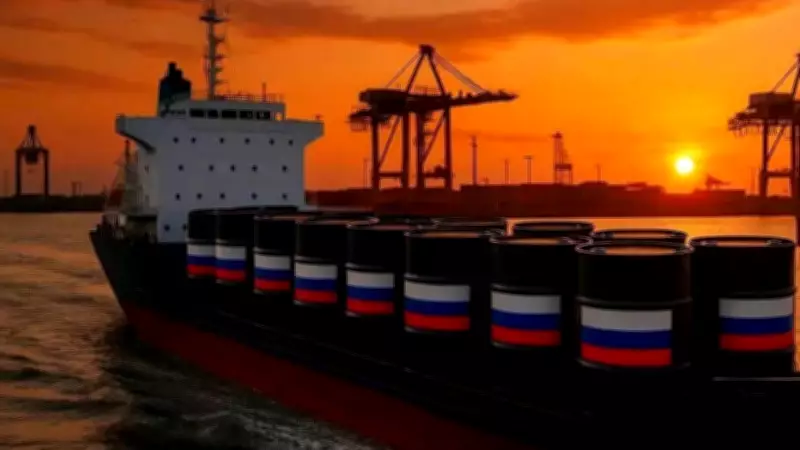
In a related development, the United States has temporarily eased sanctions on Russian oil to facilitate the delivery and sale of cargoes already stranded at sea to India. The US Treasury Department's Office of Foreign Assets Control (OFAC) issued a Russia-related license authorizing transactions involving crude oil and petroleum products of Russian origin that were loaded onto vessels as of March 5, 2026.
According to an official Treasury statement, this authorization permits transactions—including those involving cargoes carried by vessels blocked under various sanctions regimes—until the end of April 3, 2026. US Treasury Secretary Scott Bessent explained the rationale behind this limited waiver.
Strategic Rationale Behind the US Decision
"This deliberately short-term measure will not provide significant financial benefit to the Russian government as it only authorizes transactions involving oil already stranded at sea," Bessent wrote in a social media post. He added that the waiver was issued specifically "to enable oil to keep flowing into the global market" and prevent further disruption.
Bessent further clarified that allowing these specific shipments to reach India would help "alleviate pressure caused by Iran's attempt to take global energy hostage." This statement references the broader Middle East tensions that have complicated global energy logistics and security.
India's Position on Russian Oil Imports
The temporary US waiver comes even as India has publicly stated its intention to cease purchasing Russian oil under a trade agreement with the United States. The Indian government has been gradually reducing its dependence on Russian energy supplies as part of broader diplomatic and economic realignments.
Energy analysts note that the convergence of these developments—Europe's potential reconsideration of Russian gas, Middle East conflicts disrupting energy flows, and temporary US waivers—creates a complex global energy landscape where strategic decisions carry significant long-term consequences.
The IEA's warning serves as a reminder that short-term market pressures should not override long-term energy security planning, particularly for regions like Europe that have experienced the vulnerabilities of supplier concentration firsthand.