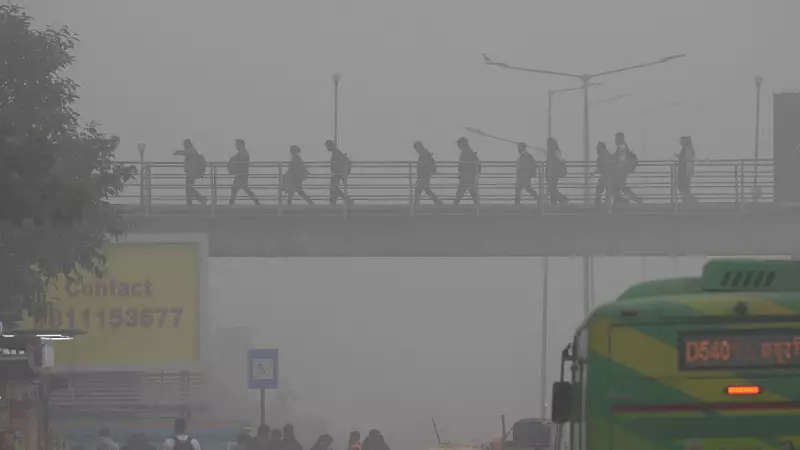
A thick blanket of dense fog has enveloped large parts of North India, severely disrupting daily life and crippling transport networks. The India Meteorological Department (IMD) has issued a red alert for Delhi, signaling dangerous weather conditions that require immediate action.
IMD's Severe Weather Warning and Forecast
The IMD's red alert, the highest severity level in its color-coded warning system, is in effect for the national capital. This alert is specifically for "dense to very dense fog" conditions. Meteorological officials have forecast that these challenging visibility conditions are likely to persist over the coming days across the entire Indo-Gangetic plains.
According to the weather bureau, visibility at the Indira Gandhi International (IGI) Airport in Delhi plummeted to a mere 50 meters early in the morning. Other major hubs in the region, including Amritsar, Lucknow, and Varanasi, also reported visibility dropping below 200 meters, bringing surface and air transport to a near standstill.

Transport Chaos: Flights and Trains Grind to a Halt
The immediate and most visible impact of the severe fog has been on transportation. Aviation has been hit exceptionally hard. Over 100 flights were delayed at Delhi's IGI Airport, with several others facing diversions and cancellations. Airlines have been forced to issue advisories, urging passengers to check their flight status before heading to the airport.
The railway network has not been spared either. Dozens of trains arriving in and departing from Delhi and other northern cities are running late, with delays stretching for several hours. The Northern Railways has reported significant disruptions to its schedule, affecting thousands of passengers stranded at stations across the region.
Public Health Advisory and Safety Measures
Beyond travel, the dense fog poses serious health and safety risks. The fog layer, which often traps pollutants close to the ground, can lead to a rapid deterioration in air quality. Health experts are advising vulnerable groups, including the elderly, children, and those with respiratory conditions like asthma, to limit outdoor exposure.
Authorities have issued standard safety guidelines for the public:
- Avoid unnecessary travel during early morning and late evening hours when fog is at its peak.
- If driving is essential, use fog lights and maintain a very low speed.
- Pedestrians should wear visible clothing and exercise extreme caution while crossing roads.
The IMD has indicated that relief from the dense fog is contingent on a change in wind patterns and a slight rise in minimum temperatures, which is not expected immediately. Residents across North India are bracing for a few more days of disrupted routines and challenging commutes as the winter weather tightens its grip.