

India Withdraws Bid to Host 2028 UN Climate Summit
In a significant diplomatic development, India has formally withdrawn its bid to host the annual United Nations climate change conference scheduled for 2028. Government officials confirmed that the decision was communicated to relevant international bodies earlier this month, marking a notable shift in the country's climate diplomacy strategy.
Official Communication and Timing
The withdrawal notification was transmitted through official channels during the first week of April 2026, according to multiple sources familiar with the matter. This move comes after India had previously expressed strong interest in hosting the prestigious global event, which brings together world leaders, environmental experts, and climate activists from nearly 200 nations.
The timing of this decision is particularly noteworthy as it precedes the scheduled planning phases for the 2028 conference. Hosting such an event typically requires years of preparation, including infrastructure development, security arrangements, and logistical coordination on an unprecedented scale.

Unclear Motivations Behind Withdrawal
What remains conspicuously absent from the official communication is any clear explanation for India's sudden change of position. Government officials who spoke on condition of anonymity confirmed that no specific reasons were provided for withdrawing the hosting bid. This lack of transparency has sparked considerable speculation among diplomatic circles and climate policy analysts.
Several potential factors could have influenced this decision:
- Strategic reassessment of diplomatic priorities
- Economic considerations regarding the substantial costs of hosting
- Logistical challenges in preparing adequate facilities
- Potential domestic political considerations
- Evolving climate policy positions within the government
Context of India's Climate Leadership
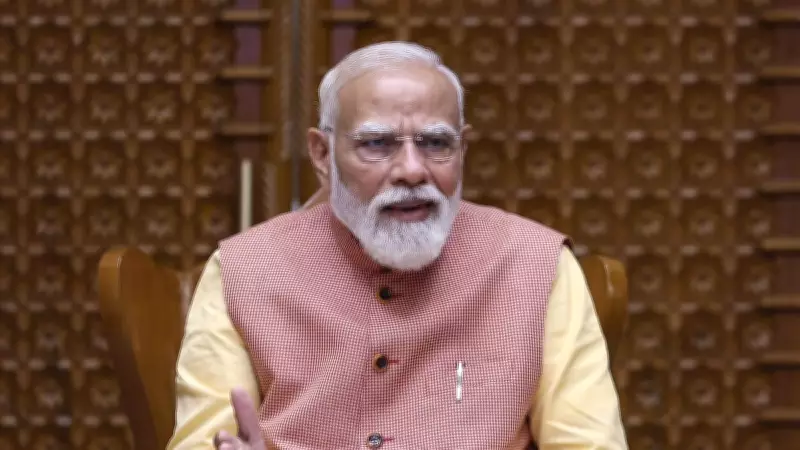
India, under Prime Minister Narendra Modi's administration, has positioned itself as a significant voice in global climate discussions. The country has made substantial commitments to renewable energy expansion and has played a crucial role in climate negotiations, particularly representing developing nations' perspectives.
The decision to withdraw from hosting the 2028 conference represents a departure from this pattern of active climate diplomacy engagement. This development raises questions about India's future role in international climate governance and its approach to global environmental leadership in the coming years.
International Reaction and Implications
The international community is closely monitoring this development, as India's participation and leadership in climate forums have been increasingly important in recent years. The withdrawal creates an immediate vacancy for the 2028 host nation, requiring other countries to potentially step forward with alternative bids.
Climate policy experts suggest this decision might influence:
- The dynamics of future climate negotiations
- India's bargaining position in upcoming climate talks
- The distribution of climate leadership among developing nations
- Logistical planning for the 2028 conference timeline
As of now, government officials have declined to provide further details or clarification regarding this strategic decision. The international climate community awaits additional information that might shed light on India's revised approach to global climate diplomacy and its implications for the crucial 2028 negotiations.






