

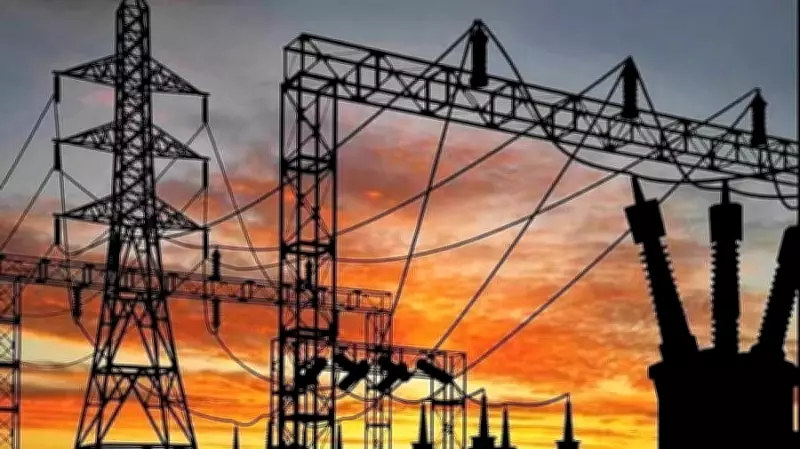
India's 2035 Green Energy Ambition Faces Financing Hurdle
India's ambitious plan to derive 60% of its total energy from non-fossil fuel sources by the year 2035 is heavily dependent on securing robust debt financing. This critical target, part of the nation's broader climate commitments, underscores a strategic shift towards renewable energy but highlights significant financial challenges that must be addressed to ensure success.
Geopolitical Vulnerabilities Drive Urgent Transition
The country's current heavy reliance on imported fossil fuels, including crude oil and liquefied natural gas (LNG) for power generation, leaves its economy acutely exposed to geopolitical shocks and supply disruptions. This vulnerability reinforces the urgent need to accelerate the transition to cleaner energy sources, reducing dependence on volatile international markets and enhancing energy security.
Debt Financing as a Key Enabler
To achieve the 60% non-fossil fuel target, substantial investments in renewable infrastructure—such as solar, wind, and hydropower—are required. Debt financing emerges as a pivotal enabler, providing the necessary capital for large-scale projects. However, this reliance on borrowing introduces risks related to interest rates, repayment schedules, and economic stability, which must be carefully managed to avoid financial strain.

Implications for India's Economy and Policy
The success of this energy transition will have far-reaching implications:
- Economic Resilience: Reducing fossil fuel imports can shield the economy from price fluctuations and supply chain issues.
- Environmental Benefits: Lower carbon emissions align with global climate goals and improve public health.
- Policy Challenges: Government initiatives must balance incentives for green investments with fiscal prudence to attract debt financing without overburdening public finances.
As India progresses towards its 2035 target, the interplay between debt financing and energy policy will be crucial. Stakeholders, including financial institutions and policymakers, must collaborate to create a sustainable framework that supports this green transition while mitigating associated risks.






