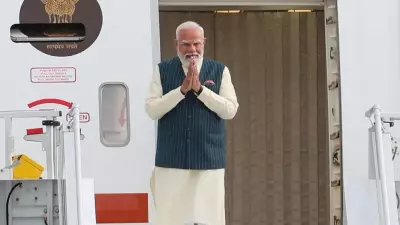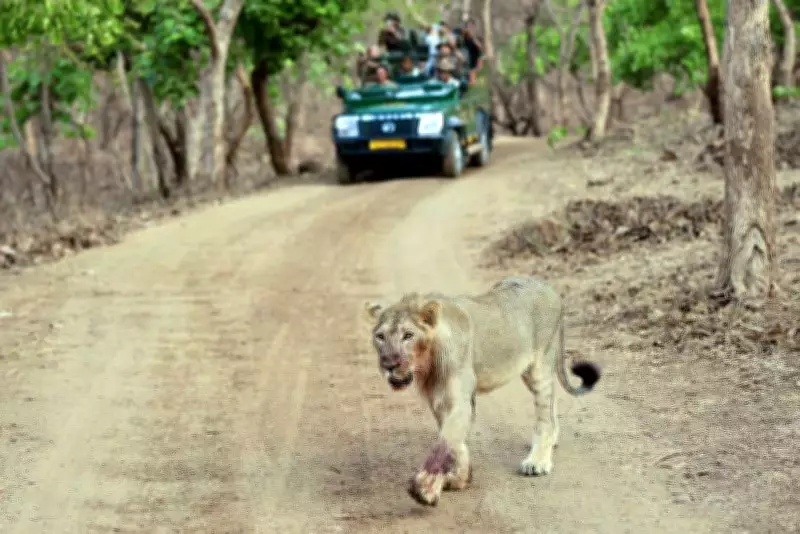
India has emerged as a global leader in big cat conservation, championing the International Big Cat Alliance (IBCA) to protect seven major big cat species across the world. The initiative, launched by Prime Minister Narendra Modi in 2023, aims to leverage India's successful tiger conservation model to safeguard tigers, lions, leopards, snow leopards, cheetahs, jaguars, and pumas.
What is the International Big Cat Alliance?
The IBCA is a global coalition of countries, organizations, and individuals dedicated to the conservation of big cats. It focuses on sharing best practices, funding conservation projects, and fostering international cooperation. India has pledged $100 million to support the alliance over five years.
Why is India pushing for this alliance?
India is home to the majority of the world's wild tigers, with 75% of the global population. The country's Project Tiger, launched in 1973, has been a remarkable success, increasing tiger numbers from 1,827 in 1972 to 3,167 in 2022. India now aims to replicate this success for other big cats, many of which are endangered or vulnerable.

The push also aligns with India's broader environmental diplomacy. By leading the IBCA, India positions itself as a key player in global biodiversity conservation, countering criticism over its carbon emissions and deforestation.
What are the challenges?
Despite India's success, big cats face numerous threats, including habitat loss, poaching, human-wildlife conflict, and climate change. The IBCA aims to address these through coordinated action, but challenges remain in funding, political will, and enforcement across member countries.
How does the alliance benefit India?
For India, the IBCA offers a platform to showcase its conservation achievements, attract foreign funding and expertise, and strengthen ties with other big cat range countries. It also helps India meet its commitments under the UN's Sustainable Development Goals and the Convention on Biological Diversity.
What are the next steps?
The IBCA will establish a secretariat in India and hold regular summits to review progress. It will also launch a global big cat census to monitor populations and threats. India has invited 96 countries to join the alliance, with several already expressing interest.
The success of the IBCA will depend on sustained political commitment, robust funding, and effective implementation. India's track record with Project Tiger gives it credibility, but replicating that success for other big cats—especially in countries with weaker conservation infrastructure—will be a formidable task.