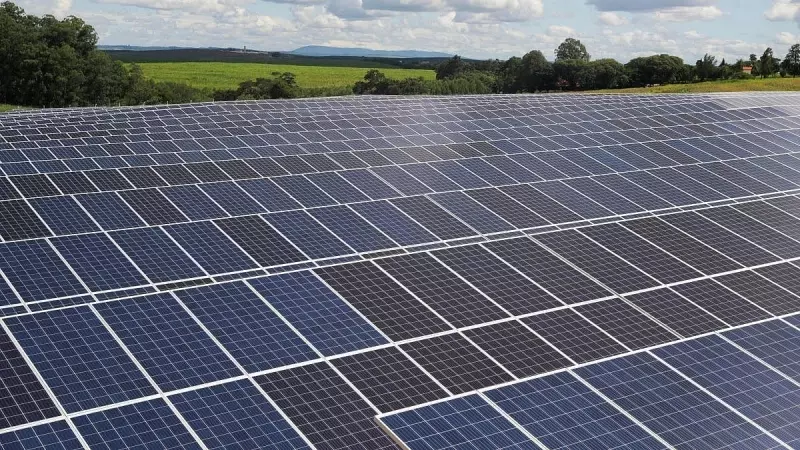
A recent analysis of India's public finances reveals a complex picture of the nation's energy transition. While direct budgetary support for clean energy is increasing, the larger financial system remains significantly locked into fossil fuels, posing a challenge to climate goals.
Encouraging Signs Amidst Structural Challenges
The report, which scrutinizes India's financial flows, points to positive developments in the national budget. There is a noticeable and encouraging trend of gradually shifting resources towards supporting renewable energy and clean technology initiatives. This indicates a growing policy priority for sustainable energy sources within the government's direct fiscal planning.
Swasti Raizada, a senior policy advisor at the International Institute for Sustainable Development (IISD) and a lead author of the report, summarized the findings. She stated that India's budget shows promising signs of a move toward clean energy. However, she cautioned that a broader examination of public financial flows uncovers a more entrenched problem.

The Deeper Issue of Financial Lock-In
The core issue identified by the analysts extends beyond the annual budget. When considering the full scope of public finance—including investments by state-owned enterprises, public sector banks, and other government-linked institutions—the commitment to fossil fuels like coal, oil, and gas remains substantial. This creates a 'lock-in' effect, where past and present financial decisions make a rapid shift away from carbon-intensive energy more difficult and costly.
This financial lock-in risks slowing down India's clean energy transition, even as the country makes ambitious pledges on the global stage. The disparity between direct budgetary support and the wider financial ecosystem's alignment with fossil fuels highlights a need for more coordinated policy action.
Implications for India's Energy Future
The report's findings, released on 17 December 2025, suggest that for India to meet its climate and energy security objectives, a more holistic reform of public finance is necessary. Simply increasing clean energy budgets may not be sufficient if larger financial channels continue to fund and underwrite fossil fuel projects.
Experts argue that aligning all public financial institutions with national climate goals is crucial. This would involve developing clear strategies to phase out fossil fuel subsidies and investments while simultaneously scaling up funding for renewables, energy storage, and grid modernization. The transition requires not just new spending but a fundamental reorientation of existing financial flows to build a sustainable energy future for India.