Rajasthan Pioneers India's First Rewilding Tunnel for Great Indian Bustard Conservation
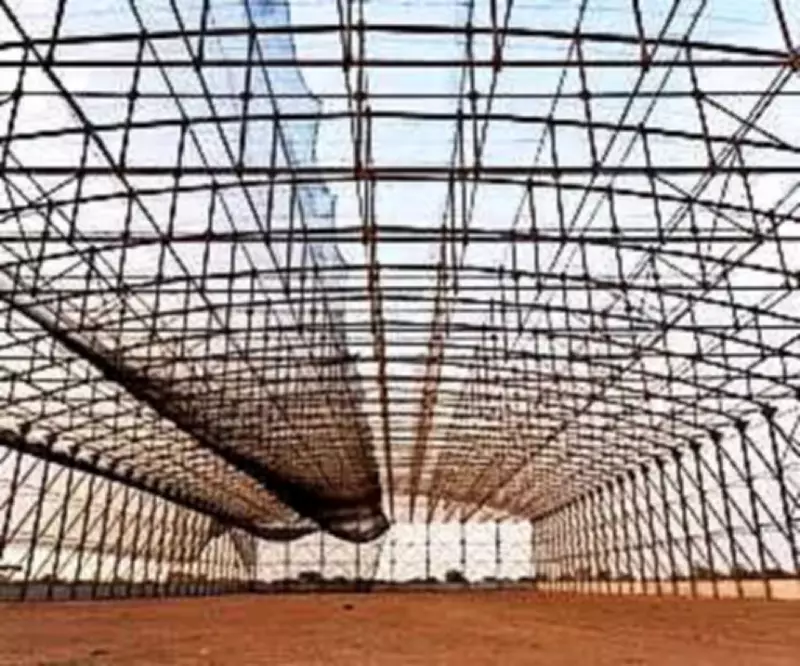
In a landmark initiative for wildlife conservation, Rajasthan is embarking on a critical phase to reintroduce captive-bred Great Indian Bustard (GIB) chicks into their natural habitat. This pioneering effort centers around India's first rewilding tunnel, constructed at Ramdevra in Jaisalmer, designed to facilitate the transition of these endangered birds from captivity to the wild.
Strategic Transition of Captive-Bred Chicks
The process involves moving chicks from the GIB breeding and hatchery centres located in Sudasari and Ramdevra into the specialized rewilding enclosure. This tunnel-like structure serves as an intermediate training ground where the birds will learn to adapt to natural living conditions. According to officials, the initial phase will likely house 15 female and 5 male chicks, preparing them for eventual release into the wild.
Desert National Park DFO B M Gupta confirmed that mature chicks from both centres will be transferred to the rewilding tunnel. He noted that some young GIB chicks from Sudasari have already been relocated to the Ramdevra centre specifically for this rewilding program, marking a significant step forward in conservation efforts.

Design and Purpose of the Rewilding Tunnel
The rewilding enclosure, built at an approximate cost of Rs 9 crore, is situated within a natural grassland setting to mimic the birds' future environment. It features an elongated tunnel design, measuring around 160 metres in length, 64 metres in width, and 14 metres in height. This spacious structure allows the chicks to experience relatively open air and practice flying, which is crucial for their survival.
Wildlife Institute of India (WII) scientist and Project GIB investigator Suthirtho Dutta emphasized that only individuals destined for release will be kept in the tunnel. The training regimen aims to strengthen flight muscles, encourage natural foraging and feeding behaviors, and help the birds adjust to grassland habitats with minimal human interaction.
Comprehensive Training and Release Plan
A joint team of specialists from the Houbara Foundation, WII Dehradun, and the Rajasthan forest department will oversee the training process. The birds will be conditioned to avoid humans and dogs, locate food independently, and survive without any form of human support, such as spoon-feeding. After spending approximately three to four months in the tunnel, the young birds are expected to be finally released into their natural habitat, completing their journey from captivity to the wild.
This initiative represents a crucial effort to bolster the population of the critically endangered Great Indian Bustard, leveraging advanced conservation techniques to ensure their long-term survival in Rajasthan's grasslands.