

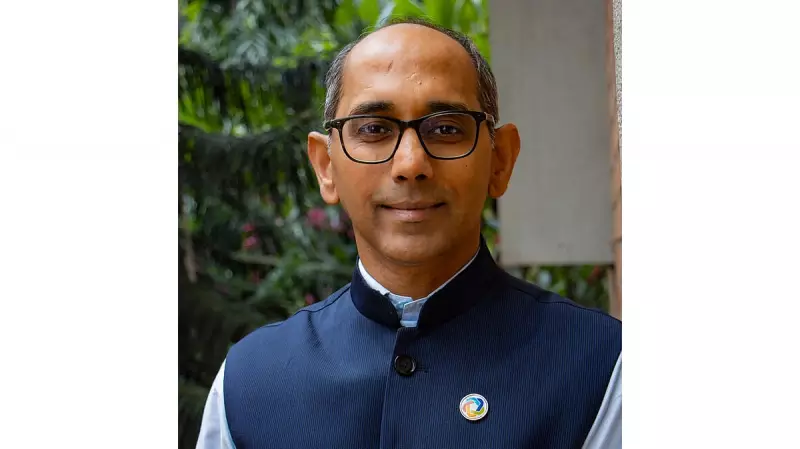
India's approach to tackling climate change remains fragmented and uneven across states, despite growing climate risks across the country, according to researcher Jai Asundi. The warning comes amid increasing concerns about India's preparedness for climate-related disasters and environmental challenges.
Sub-National Research Gaps Pose Significant Challenges
Research at the sub-national level continues to be uneven, creating significant blind spots in India's climate response strategy. Fragmented data systems across different states and regions make it difficult to develop comprehensive climate action plans that address local vulnerabilities.
The problem extends beyond data collection to how information is shared and utilized. Many states lack the infrastructure to properly analyze climate risks specific to their regions, leaving communities exposed to potentially devastating environmental impacts.

Sectoral Coordination Remains Weak
A critical weakness in India's climate response lies in the poor linkages between health, environment, and disaster management sectors. These three crucial areas often operate in isolation, despite their interconnectedness in addressing climate impacts.
When disaster strikes, the lack of coordination between these sectors can lead to inefficient response efforts and delayed assistance to affected communities. The separation also hinders preventive measures that could reduce the impact of climate-related events on public health and infrastructure.
Policy Implementation Challenges Across States
The implementation of climate policies varies significantly from state to state, with some regions demonstrating better preparedness than others. This uneven response creates a patchwork of climate resilience that leaves vulnerable populations at risk.
Experts emphasize that climate risks are rising across India, making coordinated national and state-level responses increasingly urgent. The need for integrated approaches that bridge sectoral divides has never been more critical as extreme weather events become more frequent and intense.
The interview with Jai Asundi, conducted by Chiranjeevi Kulkarni and published on November 9, 2025, highlights the pressing need for India to develop more cohesive and comprehensive climate strategies that address both national and local challenges.






