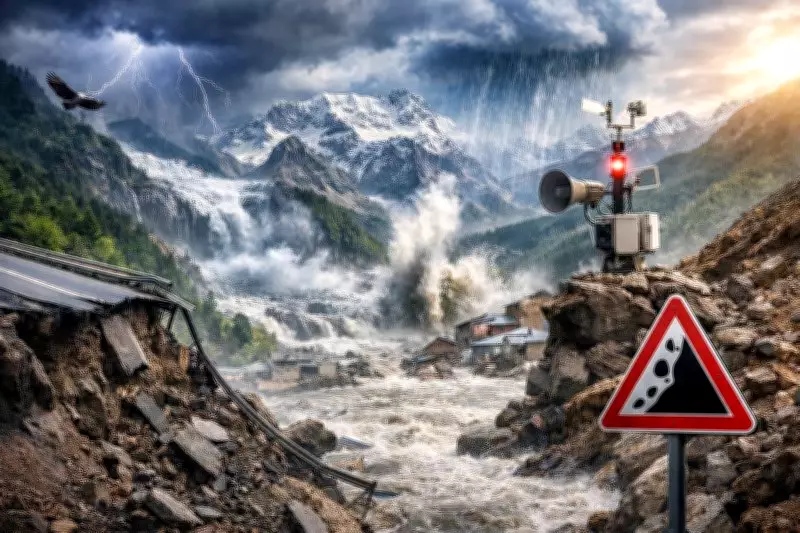
India's Himalayan Crisis Demands Climate-Resilient Infrastructure Now
The Himalayan region, frequently referred to as the "Third Pole" because of its extensive ice reserves, stands as one of the planet's most ecologically delicate zones. In recent years, there has been a dramatic escalation in both the frequency and severity of extreme weather phenomena, including cloudbursts, glacial lake outburst floods (GLOFs), landslides, and unpredictable rainfall patterns. These developments are not random occurrences but rather clear signals of an intensifying climate emergency that demands immediate attention.
The Escalating Threat to Fragile Ecosystems
The rising incidence of extreme weather events in the Himalayas poses a direct threat to the region's fragile ecosystems. The area's unique biodiversity and glacial systems are under unprecedented stress, with consequences that extend far beyond local boundaries. Scientists and environmental experts warn that these changes are accelerating, creating urgent challenges for infrastructure and human settlements throughout the region.
Why Climate-Resilient Infrastructure Is No Longer Optional
Traditional infrastructure approaches are proving inadequate against the new climate reality. The increasing vulnerability of Himalayan communities to natural disasters highlights the critical need for:

- Sustainable construction practices that account for changing weather patterns
- Enhanced disaster preparedness systems for early warning and response
- Ecosystem-based adaptation strategies that work with natural systems rather than against them
- Policy frameworks that prioritize long-term resilience over short-term gains
These extreme weather events serve as powerful reminders that climate change impacts are already here, affecting some of the world's most vital water sources and ecological systems. The Himalayan region's role as a crucial water tower for millions of people across South Asia makes its protection through climate-resilient infrastructure not just a regional concern but a national imperative for India.
The Path Forward: Policy Shifts and Implementation
Addressing this crisis requires comprehensive policy shifts toward sustainable development models. Government agencies, environmental organizations, and local communities must collaborate to create infrastructure that can withstand the increasing climatic pressures. This includes investing in research to better understand regional climate patterns, developing innovative engineering solutions, and implementing strict environmental regulations for all development projects in sensitive areas.
The time for incremental change has passed. India needs immediate and decisive action to build climate-resilient infrastructure that can protect both the Himalayan ecosystems and the communities that depend on them. The alternative—continuing with business-as-usual approaches—risks catastrophic environmental and human consequences that could reverberate for generations.