

Iran Tightens Grip on Strait of Hormuz Amid Israel-Lebanon Strikes
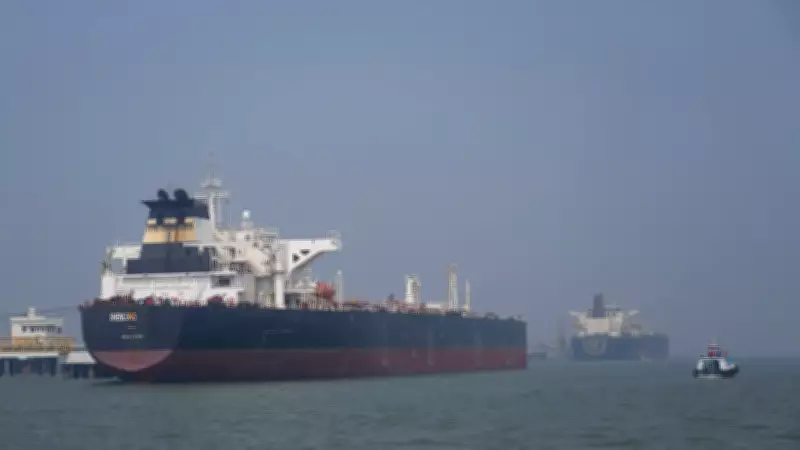
In a swift response to Israel's continued strikes in Lebanon, Iran has moved to reassert control over the Strait of Hormuz, putting a squeeze on shipping movement just 48 hours before talks are scheduled to commence in Islamabad. Tehran's actions, ranging from enhanced inspections to outright halts of tankers, have contradicted US claims that the strait remains open and secure, escalating tensions in the region.
US Dismisses Reports as Exaggerated, but Shipping Disruptions Mount
The White House has dismissed reports of a renewed Iranian closure as exaggerated, insisting that any attempt to block the waterway would be completely unacceptable. However, on the ground, or rather at sea, the situation appears far murkier. Shipping companies report delays, rerouting, and heightened scrutiny by Iranian authorities, suggesting that control of the strait is, at the very least, contested. Physical stoppage is not even necessary; because of fears that Iran may have mined the straits, insurance companies are not covering ships, resulting in the vessels simply not moving.
Iran Proposes Cryptocurrency Tolls to Circumvent Sanctions
Compounding the uncertainty is a striking report in the Financial Times that Iran intends to impose tolls on vessels transiting the strait, payable in cryptocurrency. According to Iranian industry representatives, tankers would be required to declare cargo via email, undergo assessment, and then pay approximately $1 per barrel in digital currency such as Bitcoin within seconds to avoid traceability under sanctions. This proposal underscores Tehran's broader strategy: to leverage its geographic advantage during the ceasefire window while testing new mechanisms to circumvent western financial restrictions.

Trump's Controversial Remarks and Broader US-Iran Divergences
The fact that President Trump has suggested the US could partner with Iran in extracting such a toll, legitimizing the gouging, has alarmed even Americans. This dispute over maritime control is only one facet of a much larger gulf between the US 15-point framework and Iran's 10-point proposal, with divergences spanning nearly every critical issue: nuclear enrichment limits, regional proxy activity, sanctions relief, and control of strategic waterways.
Ceasefire Used for Regrouping as Trump Issues Combative Warnings
While the ceasefire has provided a temporary pause in direct hostilities, both sides appear to be using the interval to regroup and reinforce their positions. Indeed, President Trump himself all but acknowledged as much in a characteristically combative message on social media, warning that US military forces remain poised for renewed action if Iran fails to comply with what he termed a REAL AGREEMENT. He wrote with cowboy swagger, If for any reason it is not complied with, then the Shootin' Starts, bigger, and better, and stronger than anyone has ever seen before. He added, with a mix of bravado and ambiguity, that the US military was Loading Up and Resting, looking forward, actually, to its next Conquest.
Mounting Criticism and Domestic Skepticism in Washington
Such rhetoric has done little to reassure skeptics either abroad or at home. In Washington, criticism is mounting that the administration, despite inflicting significant military damage on Iran, may have inadvertently ceded strategic and diplomatic ground. Even within Trump's political base, voices are emerging that question the coherence of the approach. The so-called Taco Tuesday jibe short for Trump Always Chickens Out has gained traction among critics who see the ceasefire as a climbdown rather than a calculated pause.






