Iran Contradicts US Sanctions Easing, Claims No Oil Surplus Available
In a sharp rebuttal to recent US policy adjustments, Iran's Oil Ministry has firmly denied the existence of any floating crude oil or surplus supplies for international markets. This statement directly contradicts the United States' announcement of temporarily easing sanctions on Iranian-origin crude oil loaded on vessels as of March 20, 2026. The Iranian consulate in Mumbai issued a declaration, asserting that the US Treasury Secretary's remarks appear designed to reassure buyers and manage market sentiment rather than reflect actual availability.
US Sanctions Easing and Market Implications
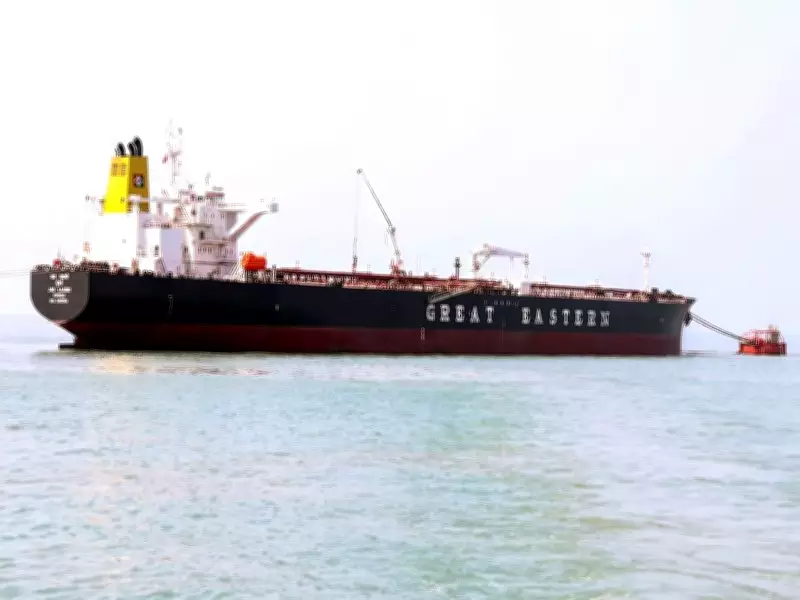
Earlier, the United States, through its Department of the Treasury's Office of Foreign Assets Control, authorized a temporary easing of sanctions on Iranian-origin crude oil and petroleum products until April 19, 2026. This move permits the delivery, sale, and even import of such oil into the United States, specifically targeting oil already loaded on vessels by March 20. US Treasury Secretary Scott Bessent described this as a "narrowly tailored, short-term authorization" aimed at stabilizing global energy markets by unlocking approximately 140 million barrels of oil currently stranded at sea, much of which he claimed is being hoarded by China at low prices.
Iran's Response and Global Market Volatility
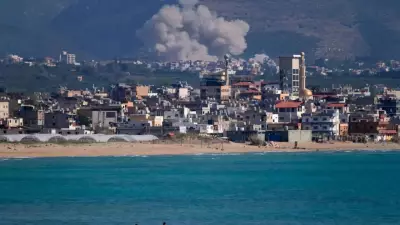
Iran's denial could further unsettle an already volatile crude oil market, where prices have spiked due to the ongoing West Asia conflict, now entering its fourth week. The strategic Strait of Hormuz remains effectively closed to most maritime traffic, exacerbating supply pressures and straining diplomatic relations. Iran's statement emphasizes that, at present, the country has essentially no excess crude available, challenging the US narrative of a surplus that can be tapped to ease global supply constraints.

- The authorization is limited to oil loaded on vessels by March 20, 2026, and does not allow new purchases or production.
- Iran will face difficulties accessing any revenue generated from these sales, as the US maintains maximum pressure on Tehran's financial access.
- This policy is part of broader efforts, including Operation Epic Fury, to boost global energy supply and counter Iran's influence.
Broader Context and Political Ramifications
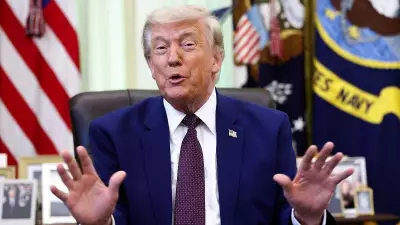
Secretary Bessent highlighted that the Trump Administration's pro-energy agenda has driven US oil and gas production to record levels, aiming to strengthen energy security and lower fuel costs. He argued that any short-term disruptions would lead to long-term economic gains for Americans, emphasizing that "there is no prosperity without security." However, Iran's swift contradiction underscores the deep-seated tensions and strategic maneuvering in global energy politics, particularly as the conflict in West Asia continues to impact key shipping routes and supply chains.