

Iran Dismisses US Version of Events in Strait of Hormuz
In a significant development that has heightened geopolitical friction, Iran has categorically rejected the United States' account of vessel passages through the critical Strait of Hormuz. This denial comes at a time when diplomatic discussions in Islamabad, aimed at addressing regional security concerns, are reportedly faltering, casting doubt on the prospects for de-escalation.
Contradictory Narratives Emerge
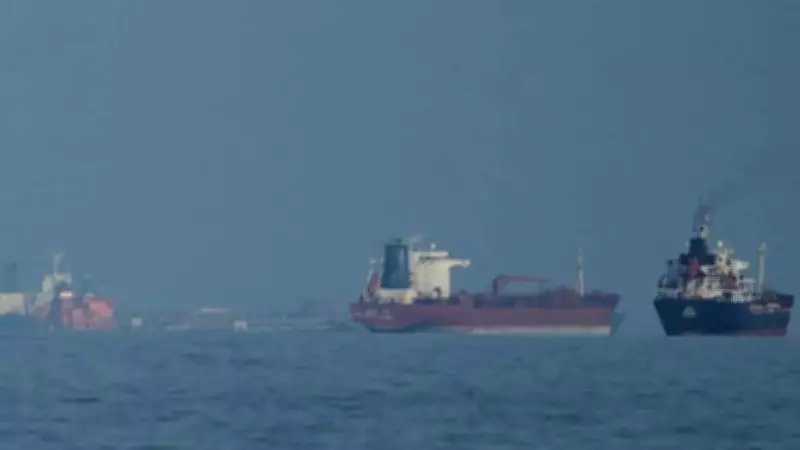
The United States had previously issued statements detailing the movement of vessels in the Strait of Hormuz, a vital maritime chokepoint for global oil shipments. However, Iranian authorities have now publicly refuted these claims, labeling them as inaccurate and potentially provocative. This exchange of conflicting reports underscores the deep-seated mistrust between the two nations, which has been a persistent feature of their strained relations.
The timing of this dispute is particularly noteworthy, as it coincides with ongoing talks in Islamabad that have been struggling to make headway. These negotiations, which involve multiple stakeholders, were intended to foster dialogue and reduce tensions in the region. Yet, with Iran and the US at odds over basic facts regarding maritime activities, the talks appear to be stalling, raising concerns about further instability.

Implications for Regional Security
The Strait of Hormuz is a strategically essential waterway, through which approximately one-fifth of the world's oil passes. Any incidents or misunderstandings in this area can have far-reaching consequences for global energy markets and international security. Iran's denial of the US account suggests a potential escalation in verbal confrontations, which could translate into real-world risks if not managed carefully.
Analysts point out that such disputes often reflect broader geopolitical rivalries, with both sides using maritime incidents as leverage in wider diplomatic struggles. The faltering talks in Islamabad only compound these challenges, as they represent a missed opportunity for constructive engagement. Without a platform for dialogue, the risk of miscalculation or accidental conflict increases, particularly in such a sensitive region.
Background of the Islamabad Talks
The negotiations in Islamabad were initiated with the goal of addressing a range of security issues, including maritime safety and regional stability. However, progress has been slow, hampered by differing priorities and historical grievances among the participating countries. Iran's latest rejection of US claims is seen by some observers as a tactic to assert its sovereignty and challenge American influence in the area.
This development highlights the complex interplay between diplomacy and military posturing, where public statements can either pave the way for compromise or deepen divisions. As the talks falter, the international community is watching closely, aware that any escalation in the Strait of Hormuz could have severe economic and political repercussions worldwide.
In summary, Iran's denial of the US account of vessel passages through the Strait of Hormuz, coupled with the stalling Islamabad talks, marks a concerning turn in regional dynamics. It underscores the urgent need for renewed diplomatic efforts to prevent further deterioration and ensure the safe passage of vessels through this crucial maritime route.






