Iran Eases Strait Transit for Pakistan, Allows Two Ships Daily
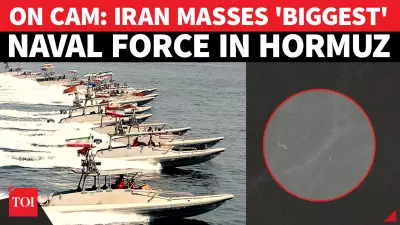
In a significant development for regional trade and diplomacy, Iran has announced the easing of transit restrictions for Pakistan through the strategic Strait of Hormuz. According to recent reports, Iran will now permit two ships daily to transit the strait, a move that is expected to enhance bilateral economic ties and improve connectivity between the two neighboring nations.
Details of the Transit Easing
The decision to allow two ships per day marks a notable shift in Iran's maritime policy, which has often been influenced by geopolitical tensions in the region. The Strait of Hormuz is a critical chokepoint for global oil shipments, and its management is closely watched by international observers. By easing transit for Pakistan, Iran aims to facilitate smoother trade flows and reduce logistical hurdles that have previously hampered economic exchanges.
This policy change is part of broader efforts to strengthen Iran-Pakistan relations, which have seen fluctuations due to various regional and international factors. The increased ship allowance is likely to benefit key sectors such as energy, agriculture, and manufacturing, as it provides a more reliable and efficient route for goods moving between the two countries.

Implications for Regional Trade and Geopolitics
The easing of transit restrictions comes at a time when both Iran and Pakistan are seeking to bolster their economic resilience amid global uncertainties. For Pakistan, this move could reduce dependency on alternative, often more expensive, trade routes, thereby lowering costs and improving supply chain efficiency. Iran, on the other hand, may gain from enhanced trade revenues and strengthened diplomatic ties with a key neighbor.
Analysts suggest that this development could have wider implications for regional stability, as it demonstrates Iran's willingness to engage in cooperative measures despite ongoing tensions with other nations. The Strait of Hormuz has been a flashpoint in the past, with incidents involving naval confrontations and sanctions-related disputes. By facilitating transit for Pakistan, Iran might be signaling a more pragmatic approach to regional commerce.
Potential Challenges and Future Outlook
While the easing of transit is a positive step, challenges remain. The geopolitical landscape in the Middle East is complex, with factors such as international sanctions, security concerns, and competing interests potentially affecting the implementation of this policy. Both Iran and Pakistan will need to navigate these issues carefully to ensure that the increased ship allowance translates into tangible economic benefits.
Looking ahead, this move could pave the way for further cooperation between Iran and Pakistan, including potential infrastructure projects and trade agreements. It also highlights the importance of the Strait of Hormuz as a vital artery for global trade, underscoring the need for collaborative management to ensure its stability and accessibility.
In summary, Iran's decision to allow two ships daily for Pakistan through the Strait of Hormuz represents a meaningful step towards enhancing bilateral trade and regional connectivity. As both countries work to capitalize on this opportunity, the world will be watching to see how this development influences broader economic and geopolitical dynamics in the area.