

Iran Explores Transit Fee Proposal for Strait of Hormuz to Monetize Strategic Control
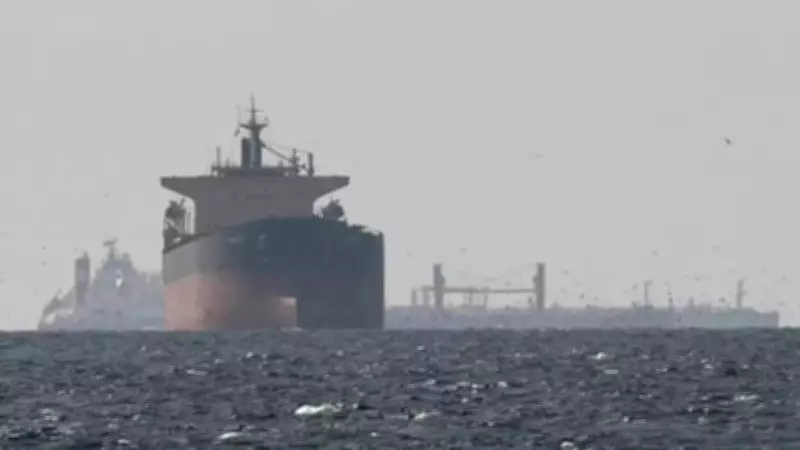
In a significant development, Iran is actively considering a proposal to levy transit fees on vessels passing through the Strait of Hormuz, a key lawmaker revealed on Thursday. This move represents a potential strategy to monetize Tehran's enhanced grip over this critical maritime chokepoint, through which approximately one-fifth of the world's oil and liquefied natural gas shipments flow.
Parliamentary Bill Under Consideration for Toll Collection
According to reports from the Iranian Students' News Agency, the lawmaker indicated that the Iranian parliament is currently evaluating a bill that would mandate countries utilizing the strait for shipping, energy transit, and food supplies to pay tolls and taxes directly to Iran. This legislative effort underscores Tehran's intent to formalize its economic claims over the waterway.
Disruption of Maritime Transit Amid Ongoing Conflict
Since the commencement of the US-Israeli war on Iran, Tehran has systematically disrupted maritime transit through the Strait of Hormuz, specifically targeting vessels it alleges are linked to its adversaries and their allies. This disruption has heightened tensions and underscored Iran's ability to exert control over global energy routes.

Post-War Vision for a "New Regime" in the Strait
An adviser to Iran's supreme leader, Mohammad Mokhber, articulated a broader strategic vision on Thursday, as reported by the Mehr news agency. He stated that "a new regime for the Strait of Hormuz" will be established following the war's conclusion, enabling Tehran to impose maritime restrictions on nations that have sanctioned it. Mokhber emphasized, "By using the strategic position of the Strait of Hormuz, we can sanction (the West) and prevent their ships from passing through this waterway."
Implications for Global Trade and Regional Stability
The proposal to impose transit fees could have far-reaching implications for international trade, particularly for oil-dependent economies. It signals Iran's willingness to leverage its geographical advantage to generate revenue and exert political pressure, potentially escalating regional conflicts and affecting global energy markets. This development comes amid heightened tensions, with recent military actions and warnings from neighboring Gulf states further complicating the geopolitical landscape.






