Iran's Ancient Heritage Sites Suffer Damage in Recent Airstrikes
MUMBAI: Iran's iconic heritage sites, which have withstood centuries of invasions, coups, World War II, and the protracted eight-year conflict with Iraq, are now facing a new threat. Recent airstrikes conducted by the United States and Israel have reportedly caused significant damage to several of these treasured locations, including UNESCO World Heritage sites like the magnificent Golestan Palace, the expansive Naqsh-e Jahan Square, and the elegant Chehel Sotoun Palace.
Blue Flags Prove Ineffective as Cultural Sites Bear the Brunt
In a symbolic gesture aimed at protecting its cultural legacy, Iran had installed blue flags on all heritage and cultural sites to signal their protected status to Israel and the United States. However, this measure proved futile as the airstrikes proceeded, leading to widespread damage. According to Hamid Sharifi, the public diplomacy officer at the Consulate General of Iran in Mumbai, a total of fifty-six museums, historical monuments, and cultural sites have sustained damage so far.
Many of these monuments, which include revered museums and mosques, may not have been directly targeted by the strikes. Instead, they suffered from the collateral effects of shockwaves and falling debris resulting from attacks on nearby government buildings, military installations, and police infrastructure. This indirect damage highlights the vulnerability of cultural heritage in modern conflict zones.

Historians and Researchers Express Profound Outrage
The damage has sparked outrage among historians, Zoroastrian researchers, and heritage enthusiasts worldwide. They emphasize that these sites "belong not just to Iran, but to humanity", representing a shared cultural heritage that transcends national boundaries. The destruction erases vital pieces of our collective cultural memory, as noted by historian Rana Safvi, who stated, "All heritage sites are universal and carry the cultural memory of human civilisation."
Firoza Mistree, a Zoroastrian researcher who considers Iran her homeland despite living in India, expressed deep devastation. "I have been to Iran many times and am devastated at the reported damage to these historic sites," she said. "The sites associated with the pre-Islamic Persian Empire were well maintained, and Iranians are proud of their heritage. I am heartbroken."
Specific Sites Impacted and Their Historical Significance
Among the affected sites are several of Iran's most cherished landmarks:
- Ali Qapu Palace: A grand imperial palace known for its architectural beauty.
- Golestan Palace: A UNESCO-listed complex in Tehran, renowned for its opulent design and historical importance.
- Falak-ol-Aflak Castle: Built during the pre-Islamic Sasanian era, this castle stands atop an ancient hill in Khorramabad, Lorestan Province, symbolizing Persia's rich history.
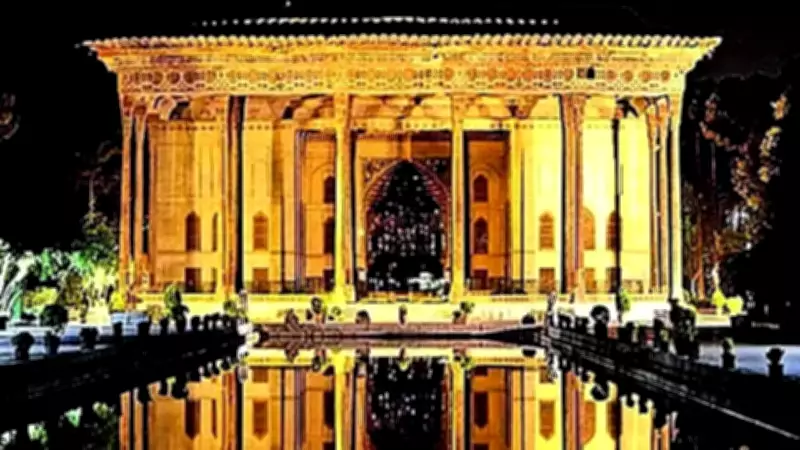
The damage to heritage sites in Isfahan is particularly heartbreaking for historians. Landmarks such as Naqsh-e Jahan Square, a 16th-century plaza covering 964,000 square feet, and the gardens and pavilion of Chehel Sotoun Palace are so magnificent that they helped earn Isfahan the title Nisf-e-Jahan, or "half the world", among Iranians.
The Tragic Loss at Chehel Sotoun Palace
The reported damage to Chehel Sotoun Palace is especially poignant. In Persian, chehel means forty and sotoun means column. The palace features twenty wooden columns that are reflected in the garden's long pool, creating the illusion of forty columns—a unique architectural feature that gives the monument its name. This site, like others, represents centuries of artistic and cultural achievement now under threat.
In a social media post, Mehdi Jamalinejad captured the irony of the situation, stating, "In the 21st century, with the most advanced weapons, they target the oldest symbols of civilisation." This sentiment underscores the tragic conflict between modern warfare and ancient heritage.

As the world watches, the damage to Iran's heritage sites serves as a stark reminder of the fragility of cultural treasures in times of conflict. The outcry from historians and the global community highlights the urgent need to protect these universal symbols of human history and civilization.