Iran Launches Coordinated Strikes on Key Gulf Aluminum Facilities
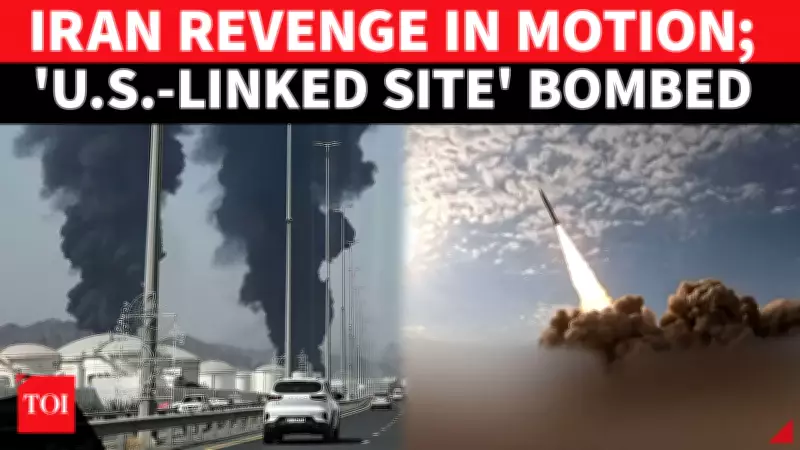
In a significant escalation of regional tensions, Iran's Islamic Revolutionary Guard Corps (IRGC) has executed a series of coordinated missile and drone attacks targeting major industrial facilities in the Gulf region. The strikes, which occurred on March 29, 2026, specifically focused on Emirates Aluminum (EMAL) and Aluminum Bahrain (ALBA), both of which are critical components of the global aluminum supply chain and have reported links to the United States.
Retaliation for 'Malicious Actions'
According to official statements from the IRGC, this operation was carried out as a direct retaliation for what they described as "malicious actions" by the United States and its allies. The IRGC emphasized that this move represents a strategic shift in their response tactics, moving beyond traditional military targets to include economic and industrial pressure points. This approach signals a broader strategy aimed at inflicting significant economic damage as part of their retaliatory measures.
Shift in Strategic Response
The IRGC has made it clear that future responses will not be limited to a simple "eye for an eye" approach. Instead, they plan to target both military and economic structures, indicating a more comprehensive and potentially devastating strategy. This shift underscores the increasing complexity of the conflict, with economic assets becoming key battlegrounds in the ongoing geopolitical struggle.

The attacks on EMAL and ALBA are particularly significant due to their role in the global aluminum industry. Both facilities are major producers, and any disruption to their operations could have far-reaching implications for international supply chains. The IRGC's choice of these targets highlights their intent to leverage economic vulnerabilities as a means of exerting pressure on their adversaries.
Regional and Global Implications
This development comes amid a series of escalating incidents in the region, including previous strikes and threats involving various actors. The IRGC's actions are likely to further destabilize an already volatile situation, potentially drawing in other nations and complicating diplomatic efforts. The targeting of U.S.-linked economic facilities also raises concerns about the potential for broader economic repercussions, affecting global markets and trade dynamics.
As tensions continue to mount, the international community is closely monitoring the situation, with many calling for de-escalation and dialogue. However, the IRGC's stated intent to expand their targeting to include economic structures suggests that the conflict may be entering a new, more dangerous phase, where economic warfare becomes a central component of the strategic landscape.