

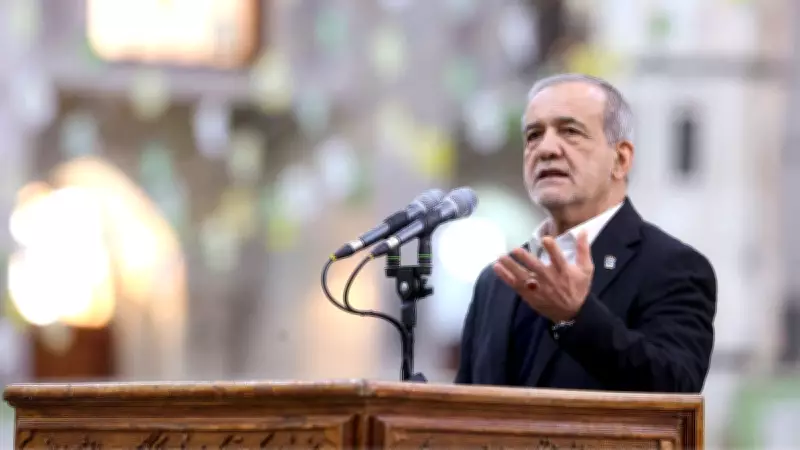
Iran Directs Resumption of Nuclear Negotiations with United States Amid Escalating Threats from Trump
In a significant diplomatic move, Iran has formally ordered the resumption of nuclear talks with the United States. This decision comes as a direct response to recent threats issued by former US President Donald Trump, who has been vocal about his opposition to the existing nuclear agreements. The announcement marks a pivotal moment in the ongoing saga of US-Iran relations, which have been fraught with tension and uncertainty for years.
Background of the Nuclear Negotiations
The nuclear negotiations between Iran and the United States have a long and complex history, dating back to the original Joint Comprehensive Plan of Action (JCPOA) signed in 2015. This agreement aimed to limit Iran's nuclear program in exchange for sanctions relief. However, the deal faced significant challenges, particularly after the United States withdrew under the Trump administration in 2018. Since then, efforts to revive or renegotiate the agreement have been sporadic, with both sides often at odds over key issues such as uranium enrichment levels and economic sanctions.
Iran's recent order to resume talks indicates a potential shift in strategy, possibly driven by the need to address international pressure and domestic economic concerns. The country has been grappling with severe economic sanctions, which have impacted its oil exports and overall financial stability. By re-engaging in negotiations, Iran may be seeking to alleviate some of these pressures while also navigating the geopolitical landscape shaped by US policies.

Trump's Threats and Their Impact
Former President Donald Trump has been a vocal critic of the Iran nuclear deal, often referring to it as "the worst deal ever." In recent statements, he has threatened to take aggressive actions against Iran if he returns to power, including potentially military strikes or imposing even harsher sanctions. These threats have created a sense of urgency and instability in the region, prompting Iran to reassess its diplomatic approach.
The timing of Iran's decision is crucial, as it coincides with a period of heightened political activity in the United States, with Trump positioning himself for a potential comeback in future elections. This has added an extra layer of complexity to the negotiations, as Iran must consider not only the current US administration's stance but also the possibility of a more hostile policy under a Trump-led government. The threats have undoubtedly influenced Iran's calculus, pushing the country towards a more proactive engagement in talks to secure its interests before any potential escalation.
Global and Regional Implications
The resumption of nuclear talks between Iran and the United States has far-reaching implications for global security and regional stability. Key stakeholders, including European allies, Russia, and China, are closely monitoring the developments. These countries have a vested interest in the outcome, as any breakdown in negotiations could lead to increased nuclear proliferation risks and further destabilize the already volatile Middle East.
Regional tensions have been simmering for years, with Iran's nuclear program often at the center of conflicts involving neighboring countries and international powers. The potential for a renewed agreement could help de-escalate some of these tensions, but it also raises questions about verification mechanisms and long-term compliance. On the other hand, if talks fail, it could trigger a new cycle of sanctions and countermeasures, exacerbating economic hardships and security threats in the region.
Moreover, this development highlights the broader challenges of nuclear diplomacy in an era of shifting global power dynamics. As countries like Iran seek to assert their sovereignty while engaging with superpowers like the United States, the negotiations serve as a test case for multilateral cooperation and conflict resolution. The outcome will likely influence future diplomatic efforts on similar issues worldwide.

Challenges and Prospects for the Talks
Despite Iran's order to resume talks, several significant challenges remain. Trust deficits between the two nations are a major hurdle, with both sides having accused each other of bad faith in past negotiations. Additionally, domestic politics in both countries play a crucial role; in Iran, hardliners may oppose concessions, while in the United States, political divisions could hinder a cohesive approach.
- Key issues to be addressed include the extent of Iran's uranium enrichment, the timeline for sanctions relief, and mechanisms for monitoring compliance.
- International involvement from other signatories of the original JCPOA will be essential to broker a sustainable agreement.
- Economic factors, such as Iran's need for sanctions relief and the US's strategic interests in the region, will heavily influence the negotiation dynamics.
Looking ahead, the prospects for successful talks are uncertain but not impossible. If both sides demonstrate flexibility and a genuine commitment to dialogue, a new agreement could emerge, potentially reducing nuclear risks and fostering greater stability. However, the shadow of Trump's threats looms large, reminding all parties of the high stakes involved. As negotiations proceed, the world will be watching closely, hoping for a peaceful resolution to one of the most contentious issues in international relations today.





